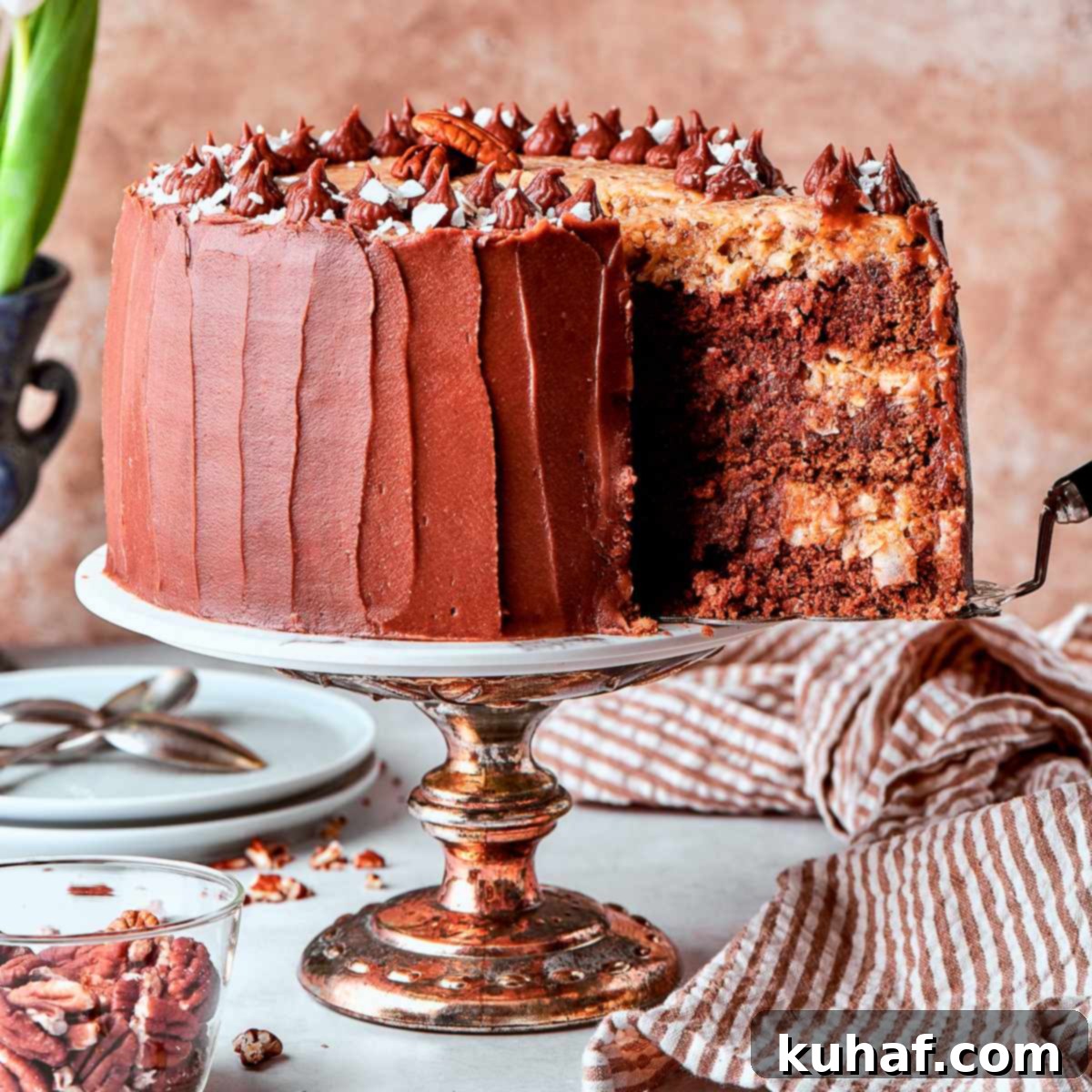
Classic German Chocolate Cake Recipe: Moist Layers & Coconut Pecan Frosting
This German chocolate cake recipe is the classic perfected. Tender chocolate layers, buttery ganache, and caramelized coconut pecan frosting make it slice like a dream come true!
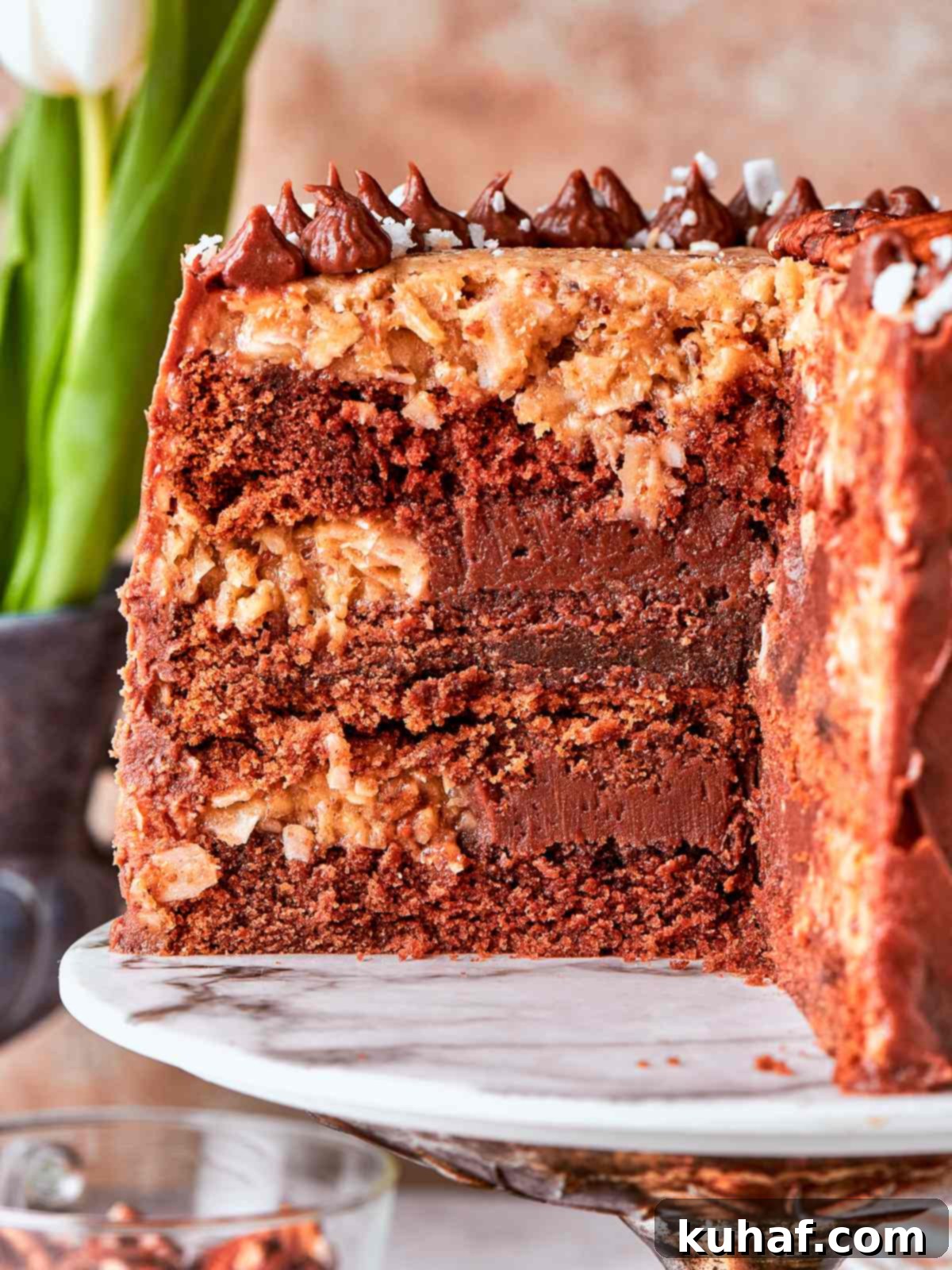
A Quick Look At The Recipe
Need a fast overview? Here’s a summary. Jump to the full recipe for complete details.
Jump to Recipe
Prep Time
45 minutes
Cook Time
23 minutes
Cooling & Assembly
1 hour
Total Time
2 hours 8 minutes
Servings
14 slices
Difficulty
Intermediate — manageable with our step-by-step instructions.
Calories *
802 kcal per serving
Technique
Creaming method with whipped egg whites; stovetop custard-style coconut pecan frosting; butter ganache.
Flavor Profile
Light chocolate cake, caramelized coconut pecan topping, silky chocolate ganache.
* Based on nutrition panel
Summarize & Save this content on
google ai
perplexity
grok
I’ve made a lot of German chocolate cakes, but the tip about beating the coconut pecan frosting in the mixer until thick enough to spread made all the difference. It held the ganache perfectly and sliced so cleanly. The cake was light and tender, not dry at all. Absolute perfection. ⭐⭐⭐⭐⭐
Lauren
Why This German Chocolate Cake Recipe is a Winner
This isn’t just any chocolate cake. This German Chocolate Cake recipe is meticulously crafted for the perfect balance of flavors and textures.
- The Right Chocolate Matters: Using Baker’s German’s Chocolate is key. It imparts a signature mild sweetness and flavor that distinguishes a true German chocolate cake from standard chocolate cake recipes. This is not just chocolate cake with coconut frosting; it’s a symphony of specific flavors.
- Cake Flour for a Delicate Crumb: The use of cake flour creates a lighter, more delicate crumb. This recipe balances cake flour and whipped egg whites to mirror the structure found in classic white cake recipes. It’s all about achieving that perfect airy texture.
- Frosting That Holds Its Shape: A properly thickened coconut pecan frosting is essential. Cooking the frosting correctly and finishing it in a mixer ensures it can support the layered ganache without sliding. It’s about building structure and stability.
- Silky and Sliceable Butter Ganache: The addition of butter to the ganache creates a smooth, stable texture that layers cleanly between the cake layers. It’s the secret to achieving those perfect, elegant slices.
Table of Contents
- Why This Recipe Works
- Ingredients & Substitutions
- Variations on This German Chocolate Cake Recipe
- Professional Tips
- How to Make German Chocolate Cake
- Chef Lindsey’s Recipe Tip
- Recipe FAQs
- Recommended Chocolate Cake Recipes
- German Chocolate Cake Recipe
- Before You Go
I have a deep appreciation for German chocolate cake. When made correctly, it’s a masterpiece that doesn’t need any unnecessary changes. It has become a family favorite for birthdays and special occasions in our home!
If you’re yearning for something intensely dark and deeply chocolate, there are other options such as a moist chocolate cake recipe. But a true German chocolate cake recipe offers a unique experience: tender layers with a delicate crumb, a caramelized coconut pecan topping, and just the right amount of sweetness that makes you close your eyes in delight after the first bite.
Ingredients & Substitutions for German Chocolate Cake
Let’s break down the key ingredients and potential substitutions for making the perfect German Chocolate Cake. Using the right components is crucial to achieving the intended flavor and texture.
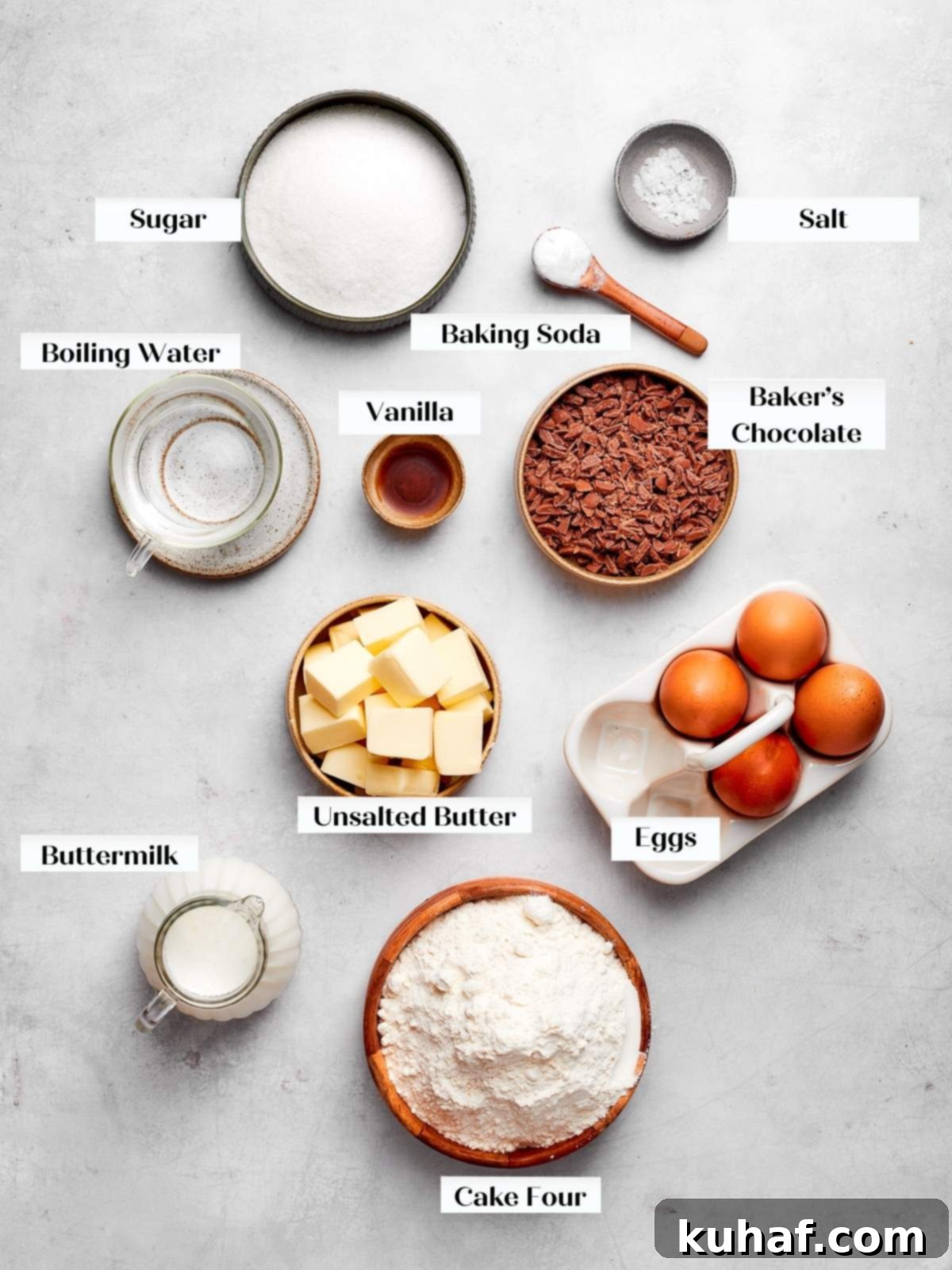
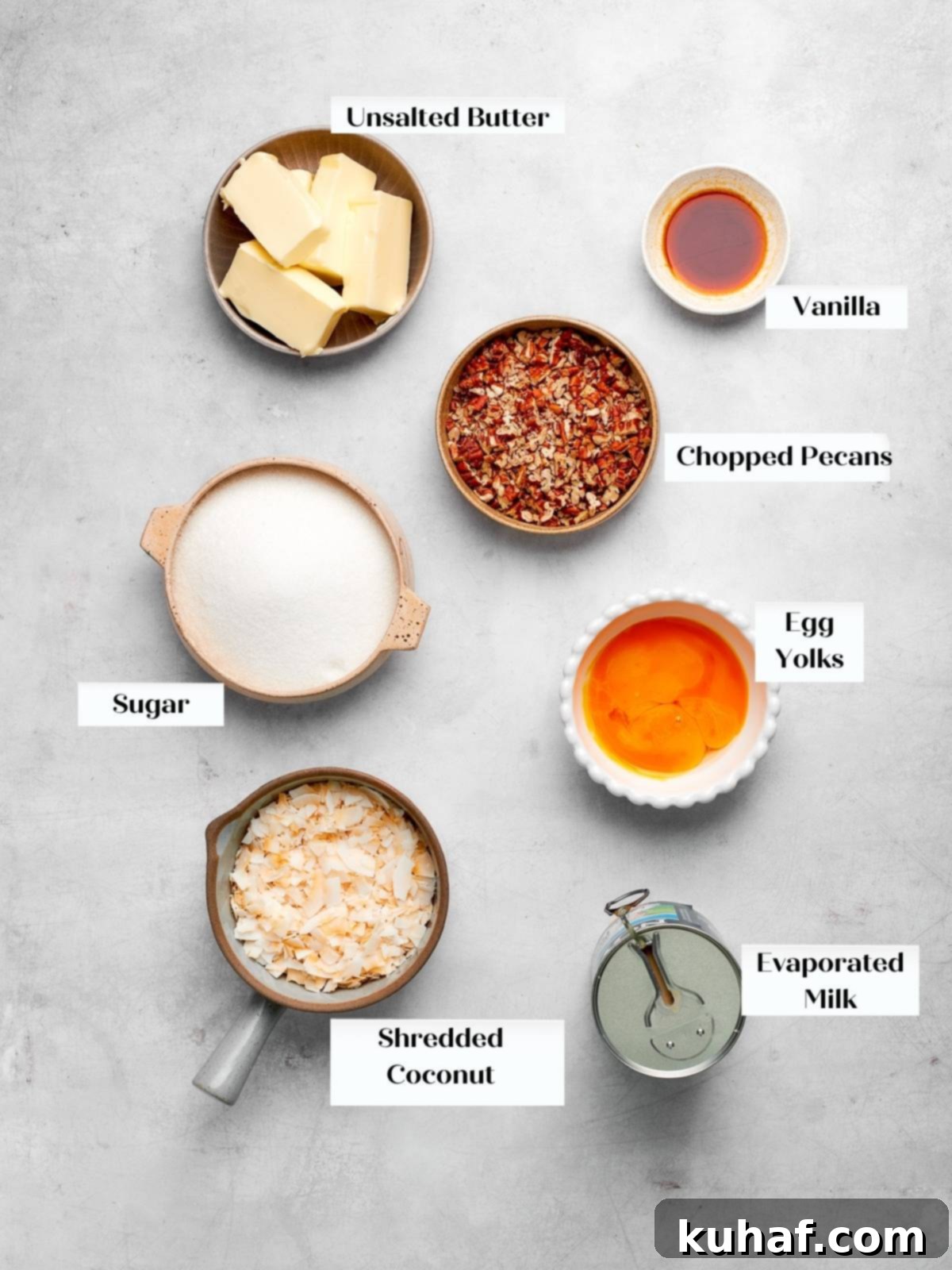
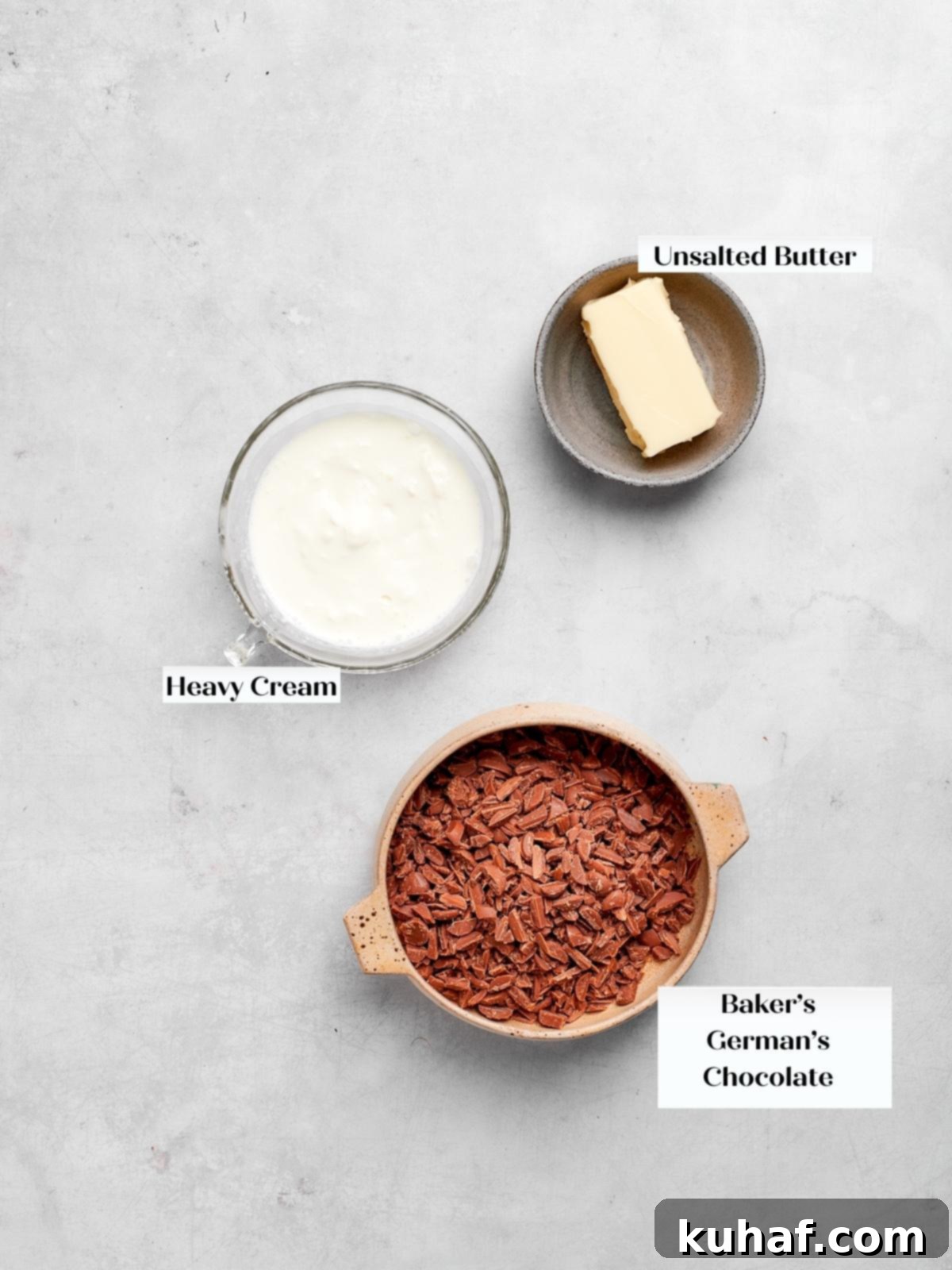
- Baker’s German’s Chocolate: This is not optional for an authentic German chocolate cake. It defines the cake’s unique flavor, offering a sweeter and milder taste than semi-sweet chocolate.
- Cake Flour: Cake flour is essential for producing a tender crumb. While all-purpose flour can be substituted, the cake will be slightly denser. The technique of folding in whipped egg whites creates an airy crumb.
- Reduced Fat Buttermilk: Provides acidity to activate the baking soda and maintain a soft crumb. The acidity is key to the cake’s lightness.
- Unsalted Butter: Use softened butter for proper creaming. Creaming butter and sugar together creates air pockets, essential for a light and fluffy cake.
- Eggs: Whipped egg whites add lift, while the yolks enrich both the cake and the topping. Don’t skip separating the eggs!
- Evaporated Milk: Do not substitute evaporated milk with sweetened condensed milk. The frosting will become overwhelmingly sweet. The specific flavor of evaporated milk is crucial.
- Unsweetened Shredded Coconut: Balances the sweetness and provides an authentic texture to the frosting. Using unsweetened coconut prevents the frosting from becoming too sugary.
- Heavy Cream: Crucial for creating a smooth and creamy ganache emulsion. The fat content is necessary for the ganache to set properly.
See the detailed recipe card below for precise ingredient measurements and quantities.
Creative Variations on This Classic German Chocolate Cake Recipe
Want to put a spin on the classic? Here are a few ideas to customize your German chocolate cake:
- Simplify the Process: Skip the ganache filling and use the coconut pecan frosting between the layers and on top for a simpler version. This reduces the steps and complexity of the recipe.
- Transform into Cupcakes: Divide the batter into lined cupcake tins and bake for approximately 18–22 minutes, similar to a German chocolate cupcakes recipe! This makes for easy serving and portion control.
- Opt for a Naked-Style Finish: Frost only the top of the cake and apply a thin coating on the sides for a rustic, “naked” cake appearance. This showcases the beautiful layers of the cake.
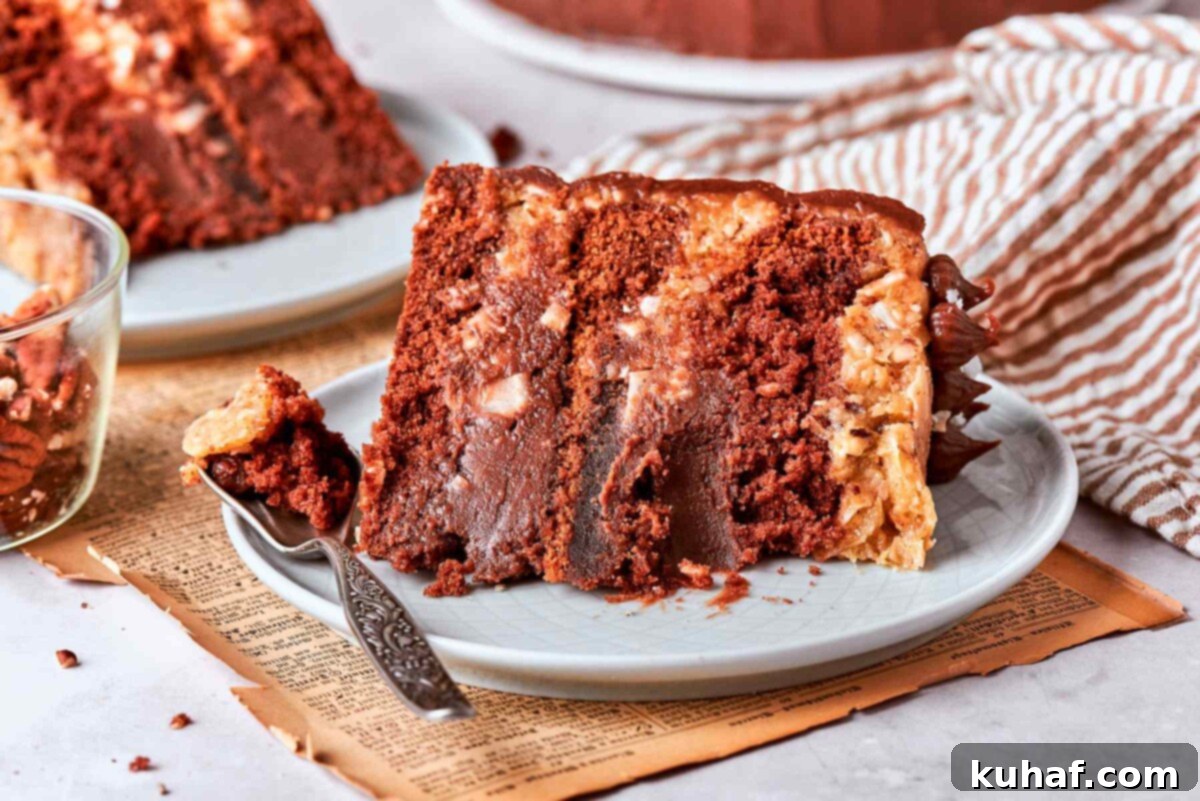
Professional Baking Tips for Perfect German Chocolate Cake
These tips will help you achieve a bakery-quality German Chocolate Cake:
- Rewhisk Egg Whites Before Folding: Before incorporating the egg whites, re-whisk them to stiff peaks for maximum lift and aeration. This ensures a light and airy cake texture.
- Cook Frosting Fully: Ensure the frosting thickens and lightly caramelizes before removing it from the heat. The consistency is crucial for the frosting to set properly.
- Beat Frosting While Cooling: This pro trick guarantees a spreadable thickness and stability in the frosting. Beating helps prevent a grainy texture.
- Chill Between Layers: Refrigerate the cake for 20–30 minutes between layering to stabilize the ganache. This helps prevent the layers from sliding and ensures a clean slice.
Step-by-Step Guide: How to Make German Chocolate Cake
Follow these instructions to bake the perfect German chocolate cake every time! Detailed measurements and further insights can be found in the recipe card below.
Step 1: Preheat Oven. Preheat your oven to 325°F (convection) or 350°F (conventional). Spray three 9-inch cake pans with non-stick spray and line the bottoms with parchment paper circles.
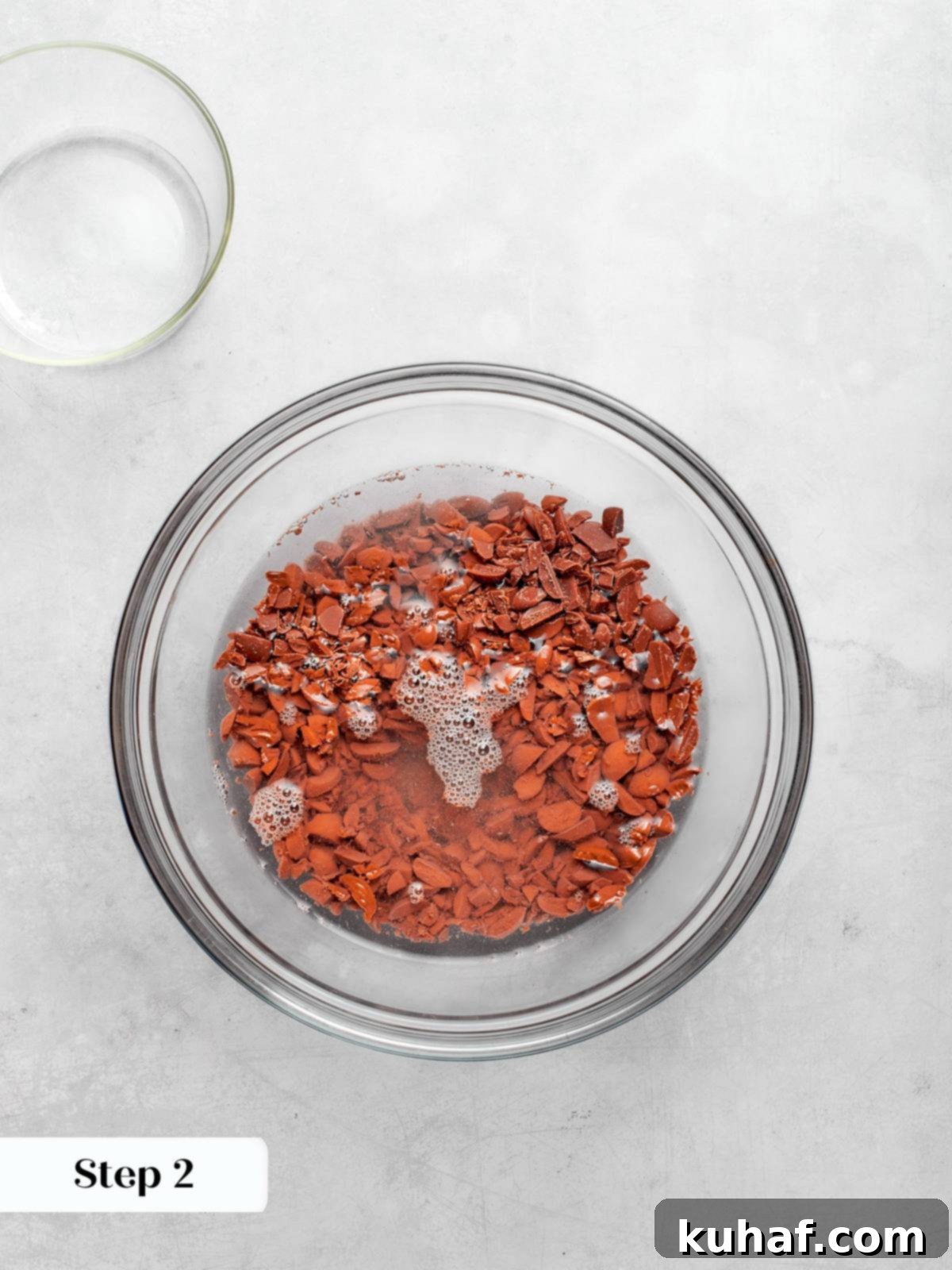
Step 2: Melt Chocolate. Combine 4 oz chopped German’s chocolate with ½ cup (100g) boiling water in a heatproof bowl. Whisk until the mixture is smooth. Allow to cool completely. This step prevents the chocolate from scorching and ensures it incorporates smoothly into the batter (photo 1).
Hot water helps the chocolate melt smoothly without burning.
Step 3: Sift Dry Ingredients. Sift together 2½ cups (300g) cake flour, ½ teaspoon salt, and 1 teaspoon baking soda. This ensures a uniform mixture and prevents lumps. Set aside for later.
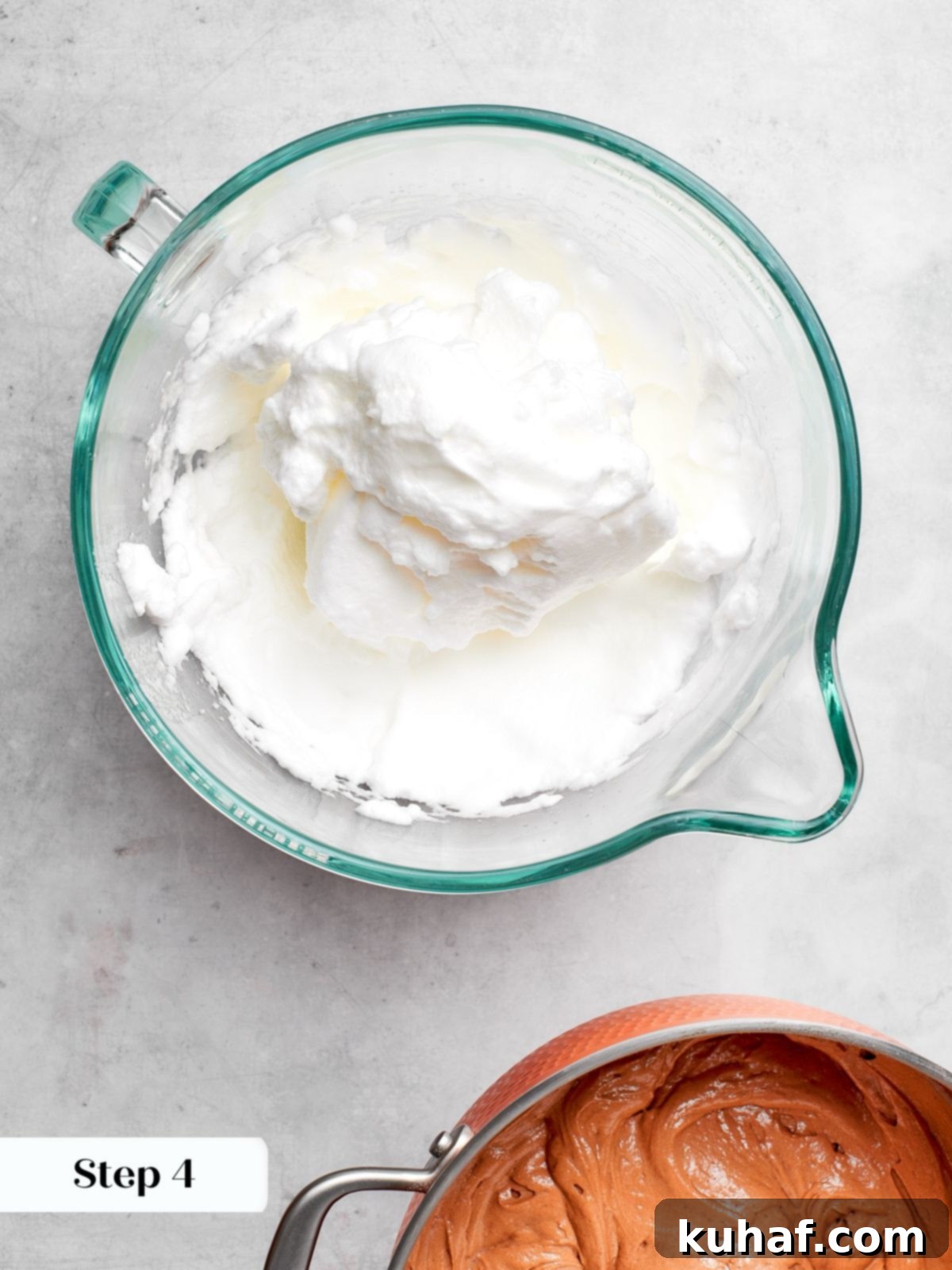
Step 4: Whip Egg Whites. Beat 4 egg whites to stiff peaks using a stand mixer or hand mixer. Stiff peaks are achieved when the whites hold their shape. Set aside for later use (photo 2).
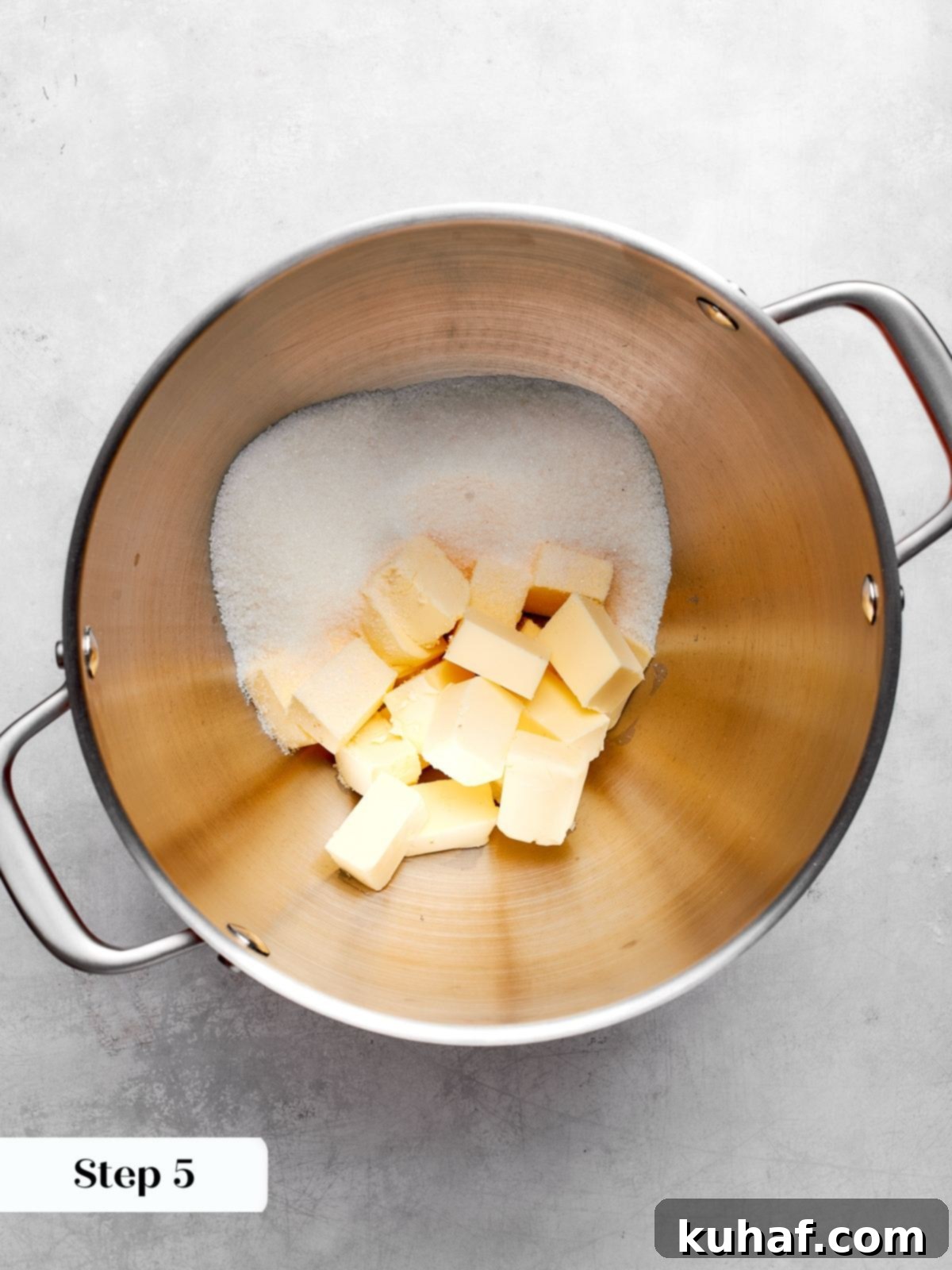
Step 5: Cream Butter & Sugar. In the bowl of a stand mixer fitted with the paddle attachment, beat 1 cup (226g) softened butter with 2 cups (460g) sugar until light and fluffy, approximately 3–4 minutes (photo 3).
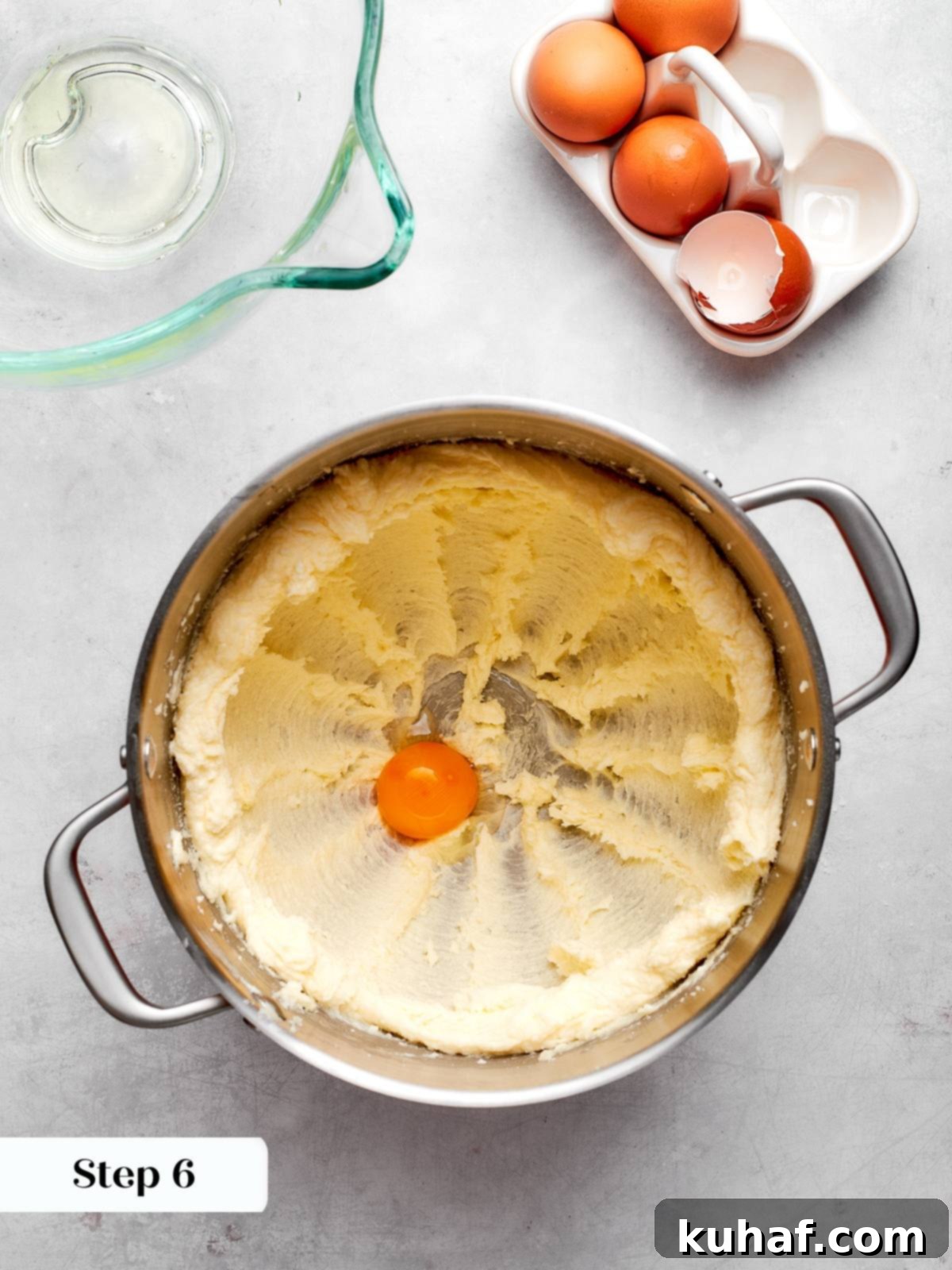
Step 6: Add Yolks. Add 4 egg yolks one at a time to the butter and sugar mixture, beating well after each addition. Incorporate 1 teaspoon of vanilla extract with the last yolk (photo 4).
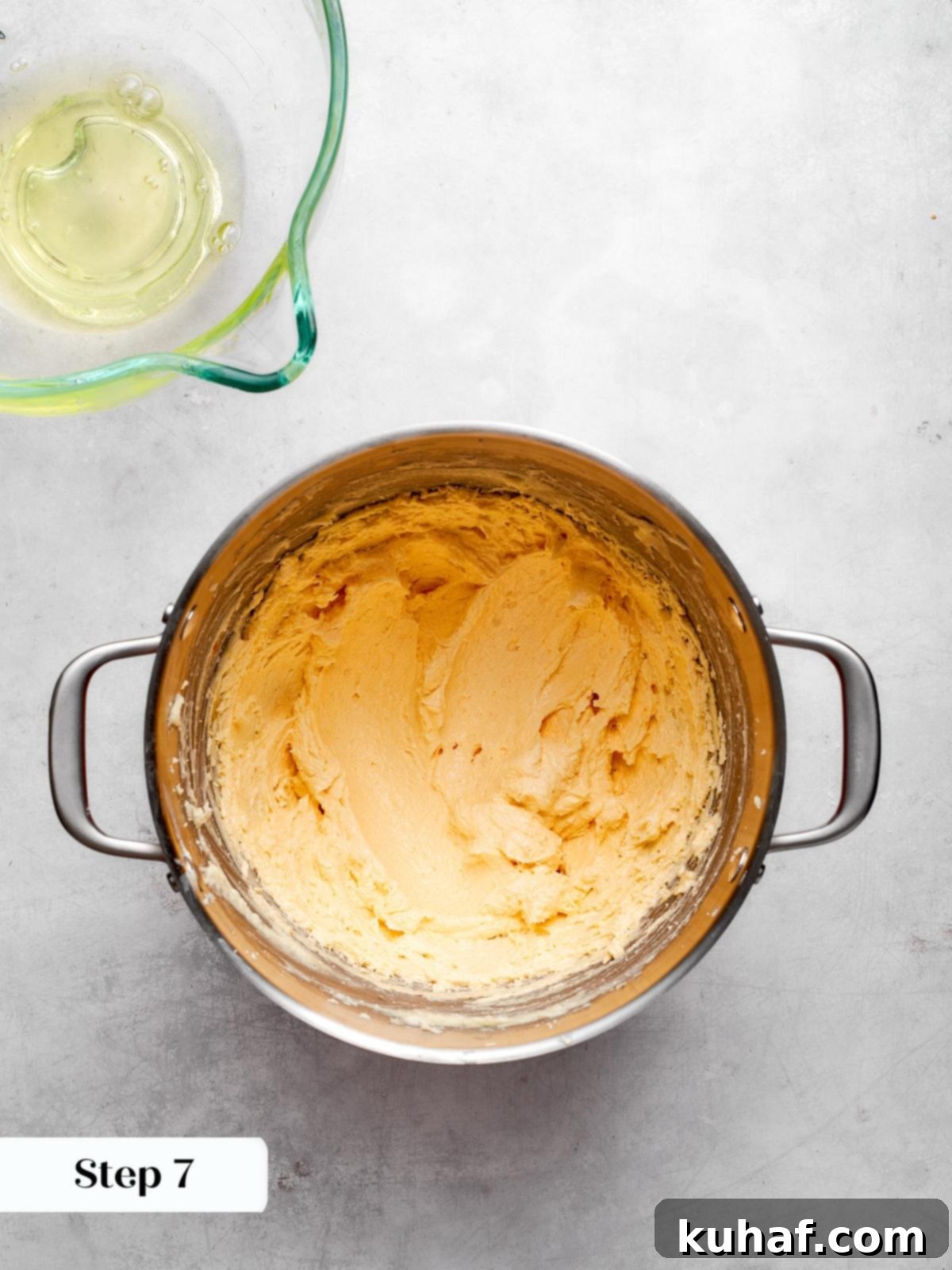
Step 7: Alternate Additions. With the mixer set on low speed, alternate adding the dry ingredients and 1 cup (260g) buttermilk in three additions, beginning and ending with the dry ingredients. This prevents the batter from curdling. Once the wet ingredients are incorporated, the cake batter should appear silky and evenly emulsified (photo 5).
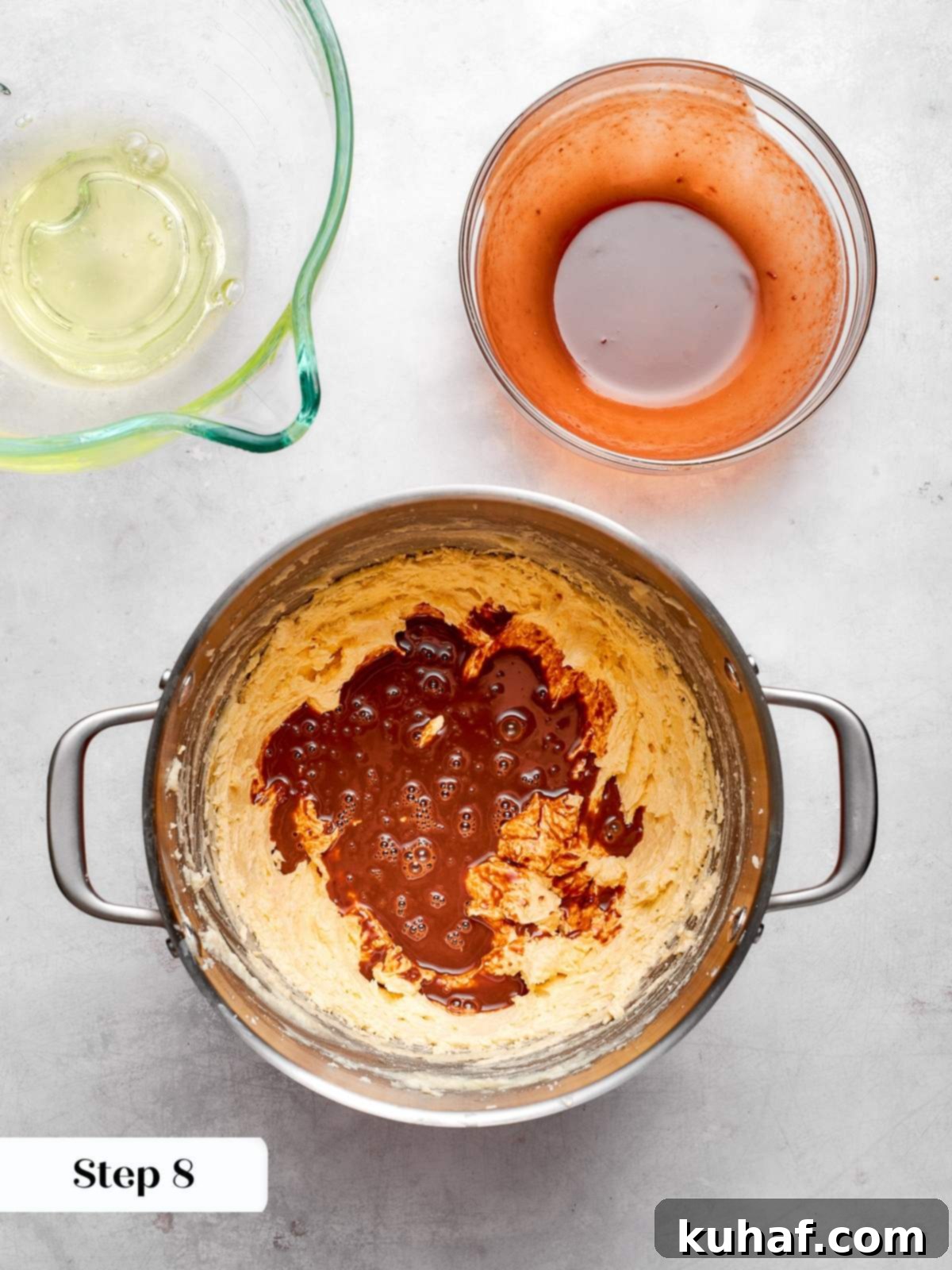
Step 8: Add Melted Chocolate. Mix in the cooled chocolate mixture until thoroughly combined (photo 6).
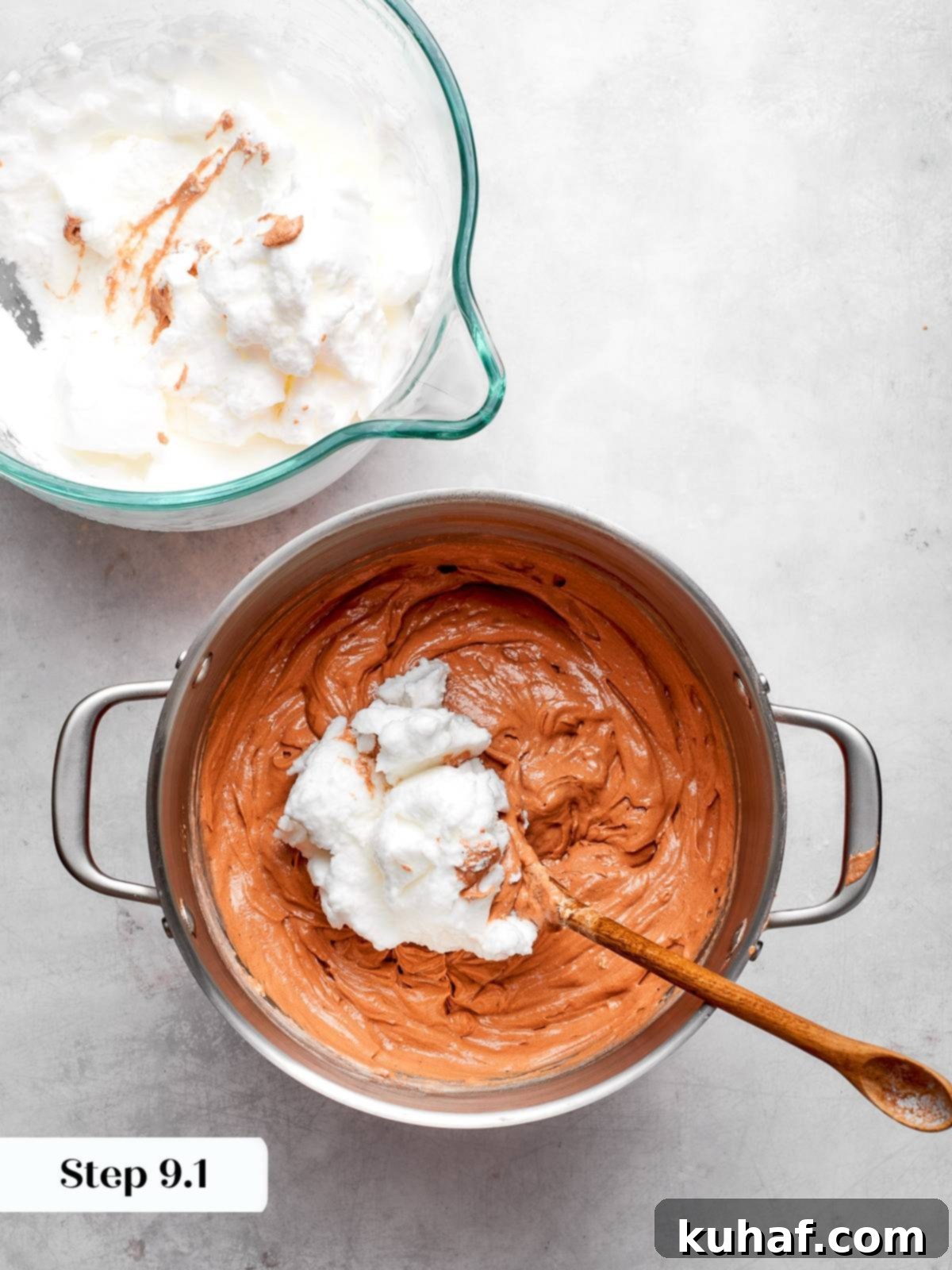
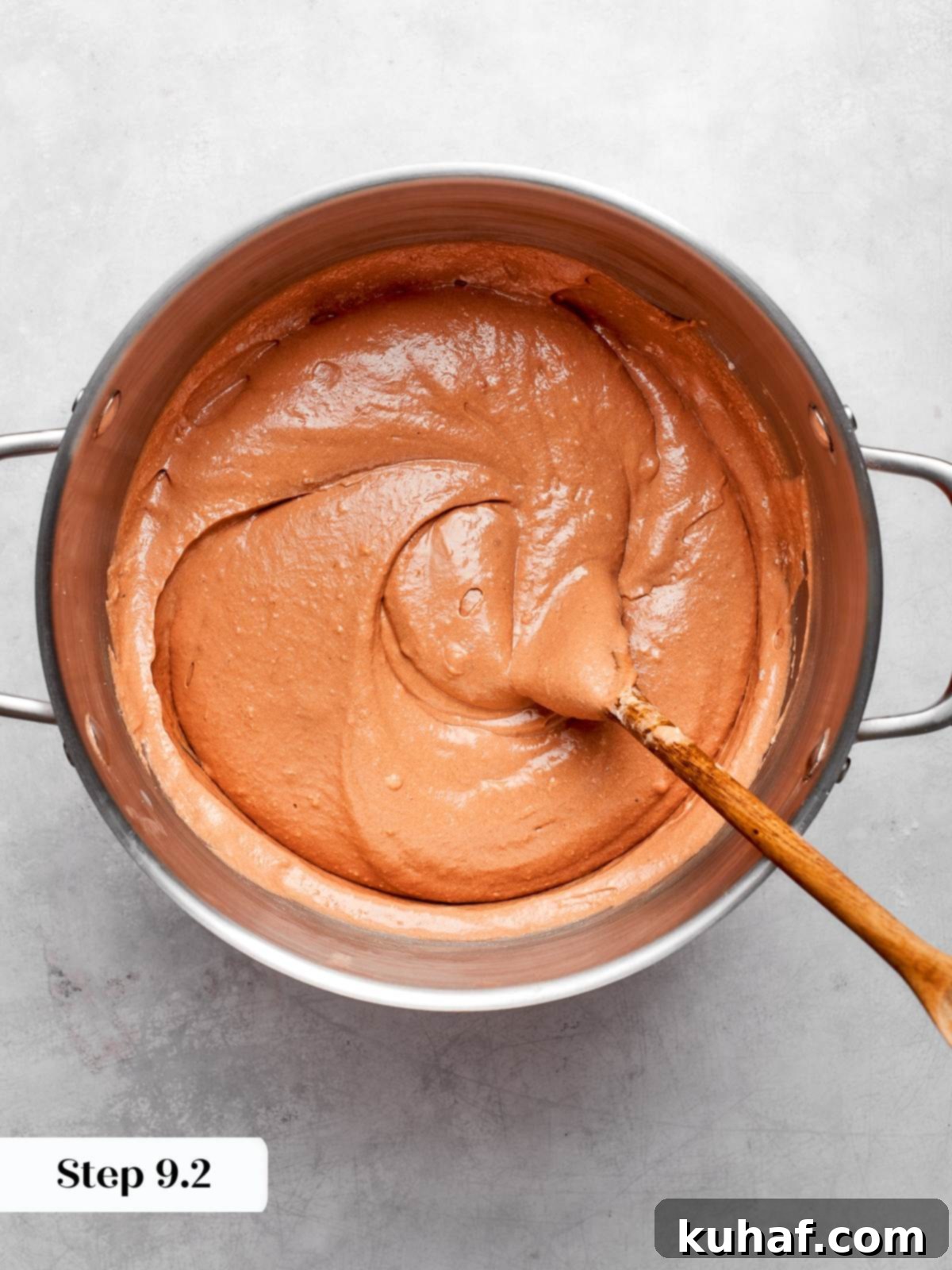
Step 9: Fold in Whites. Re-whisk the egg whites to restore their volume and gently fold them into the batter in two or three additions, being careful not to overmix (photos 7 & 8).
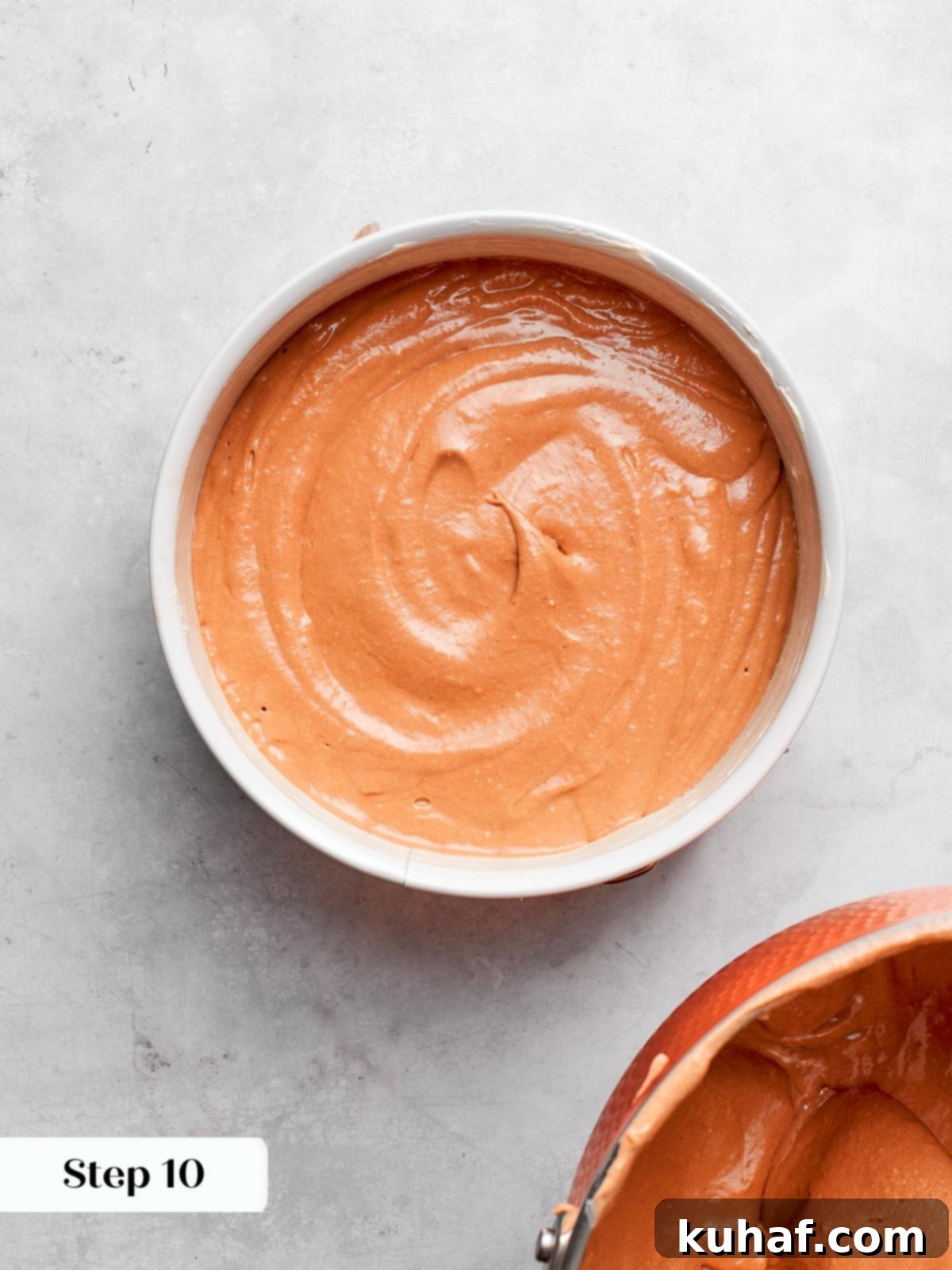
Step 10: Bake Layers. Divide the batter evenly among the prepared pans and bake for 25–28 minutes. The cake layers are done when a toothpick inserted into the center comes out clean or with just a few moist crumbs (photo 9).
Step 11: Cool Completely. Allow the cake layers to cool in the pans for 10 minutes before inverting them onto a wire rack to cool completely.
Wrap cooled layers tightly in plastic wrap and store in the fridge if assembling the next day to ensure they stay moist.
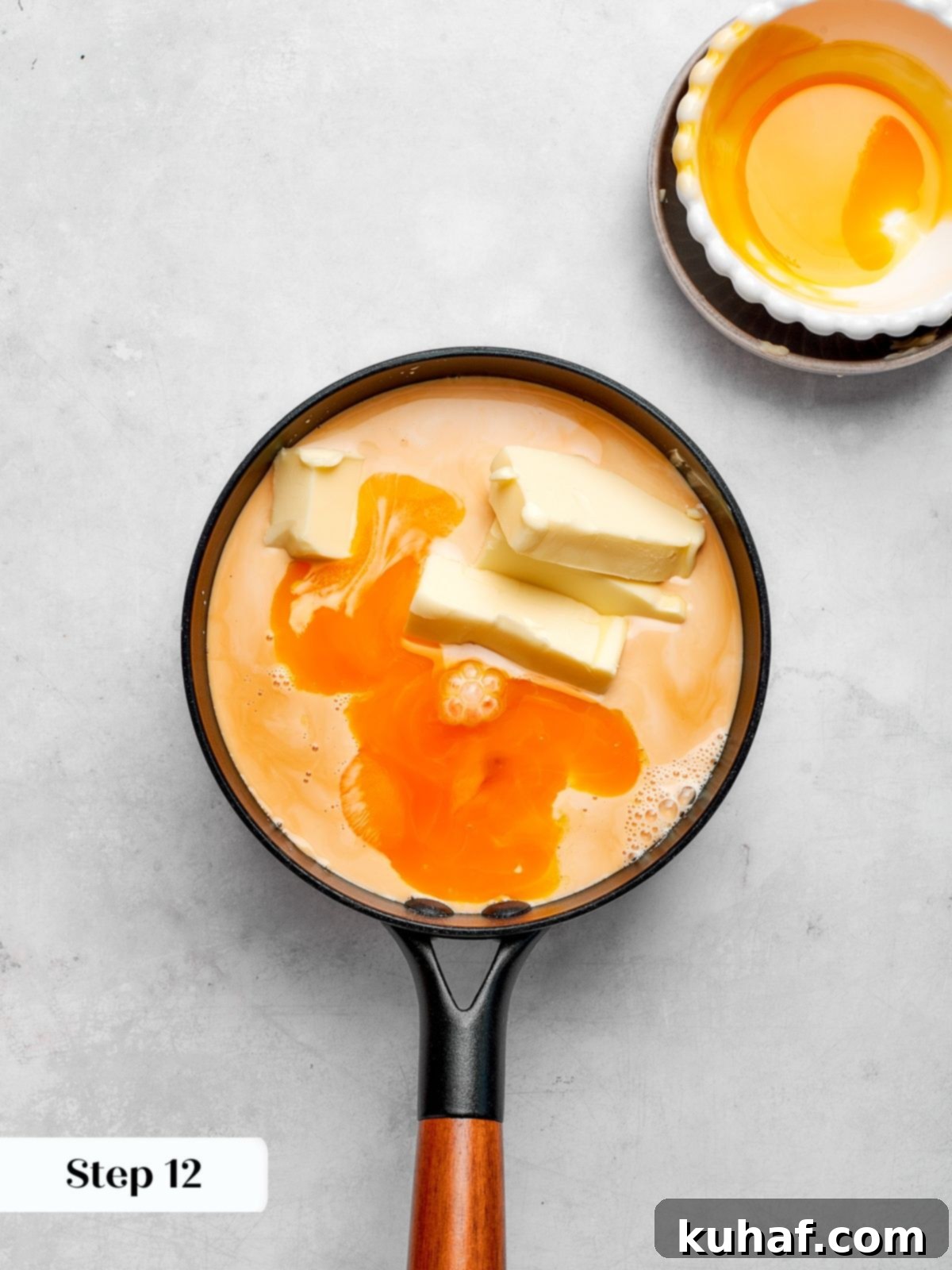
Step 12: Cook Custard Base. In a medium saucepan, whisk together 12 oz evaporated milk, 1½ cups (345g) sugar, 3 yolks (60g), ¾ cup (170g) butter, and 1½ teaspoons vanilla. Cook over medium heat, stirring constantly, until thickened and lightly caramelized (photo 10). This step requires constant stirring to prevent scorching.
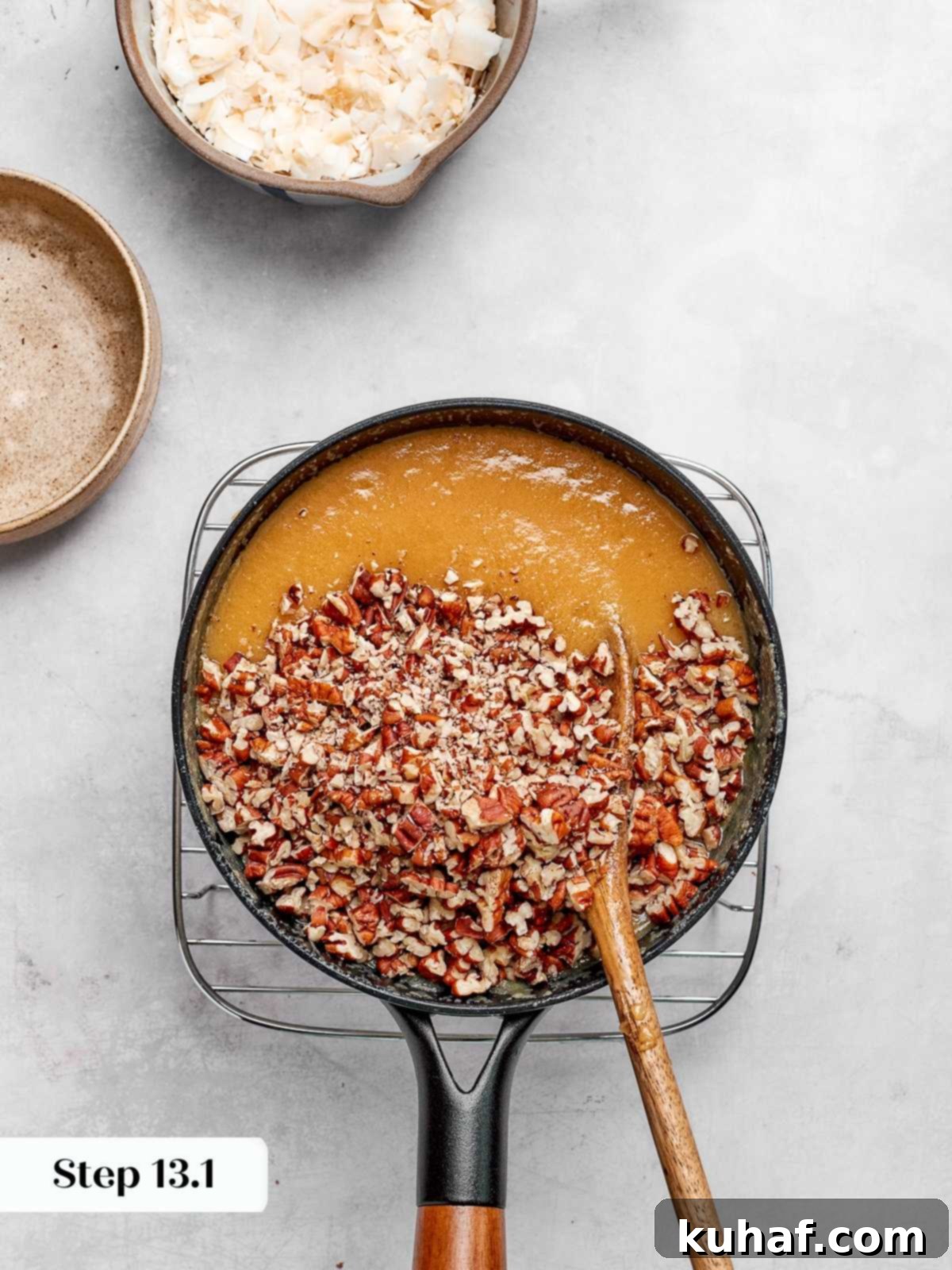
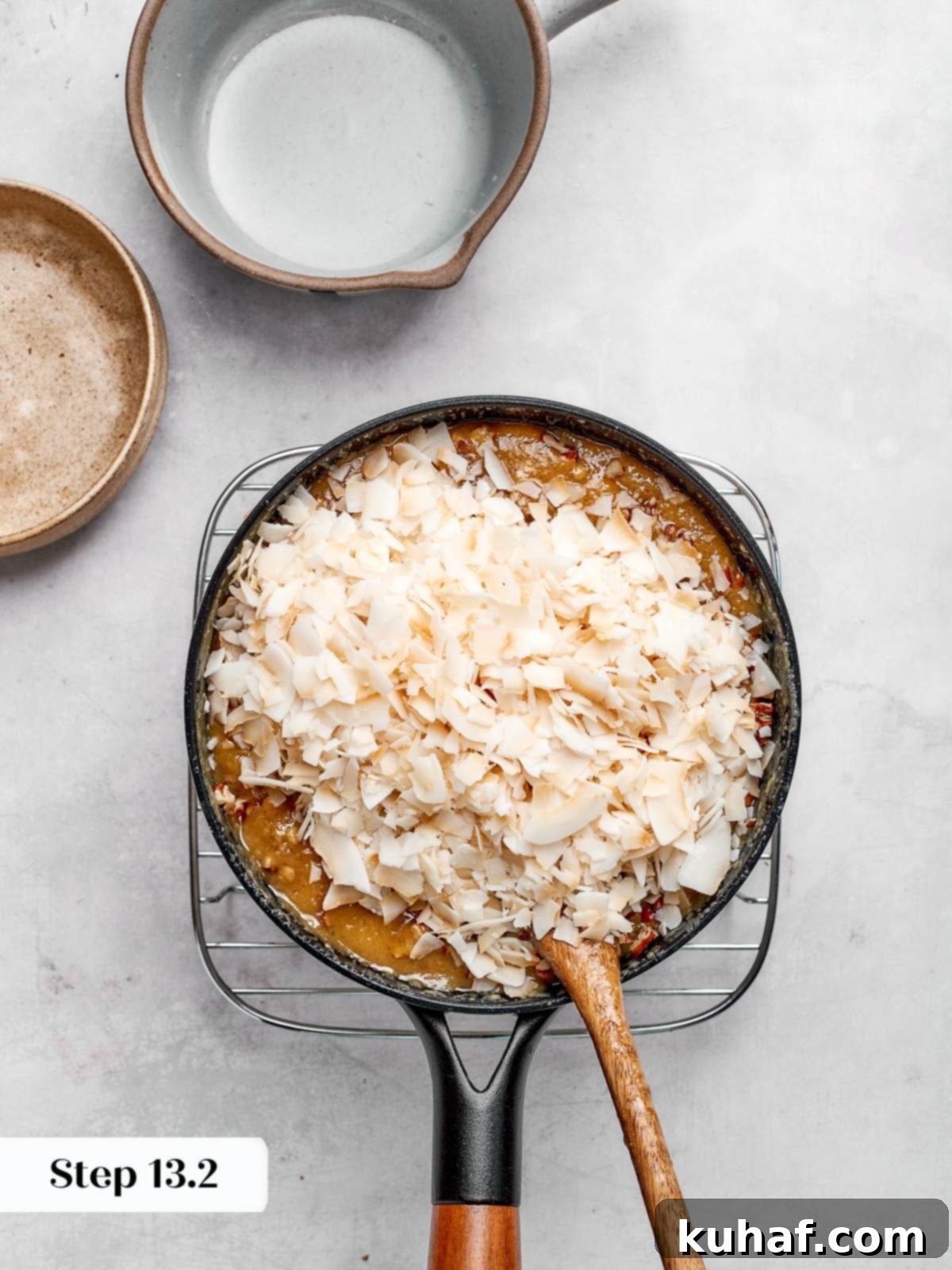
Step 13: Add Coconut & Pecans. Stir in 1½ cups (100g) coconut and 1¼ cups (125g) chopped pecans (photos 11 & 12).
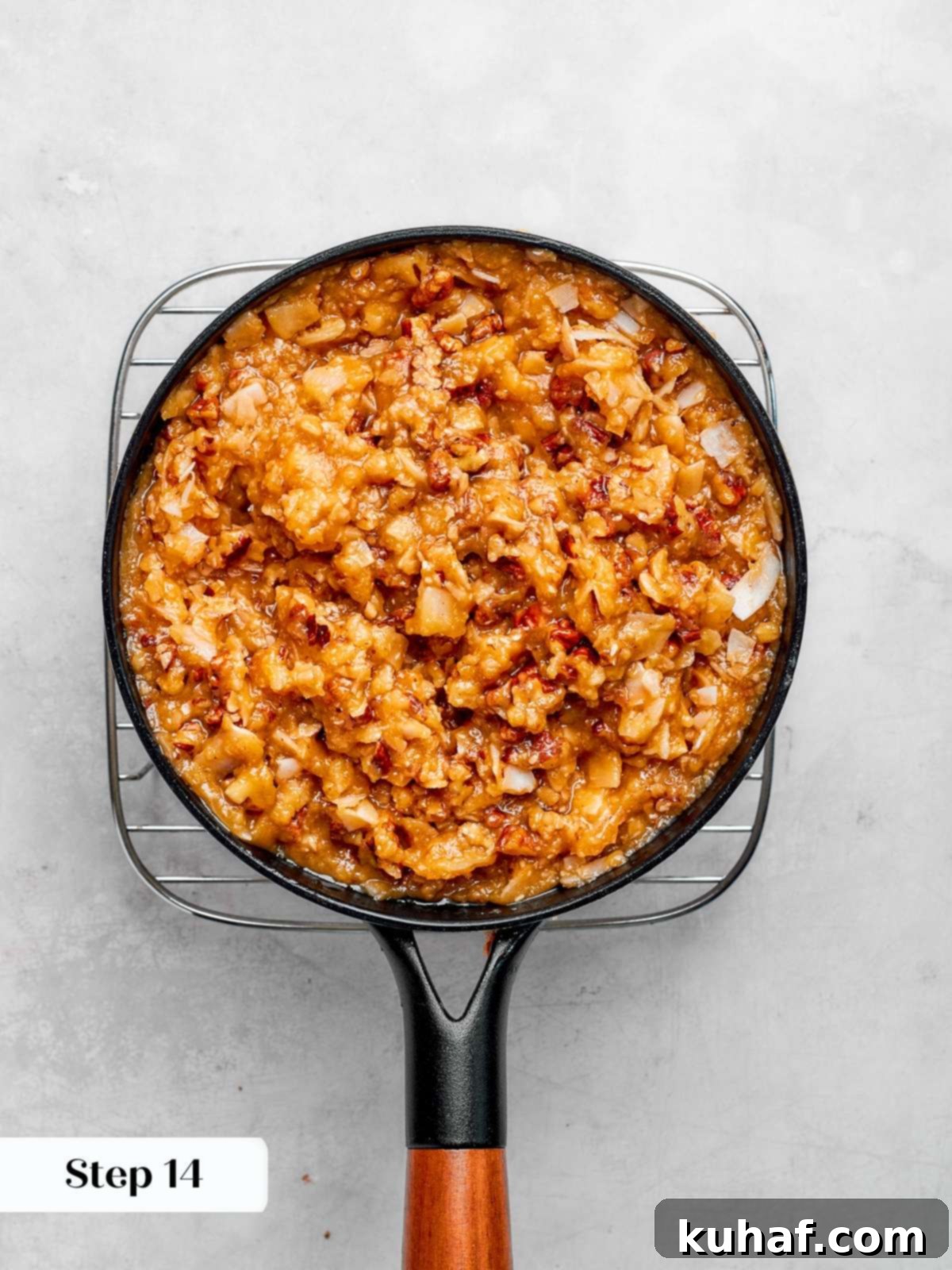
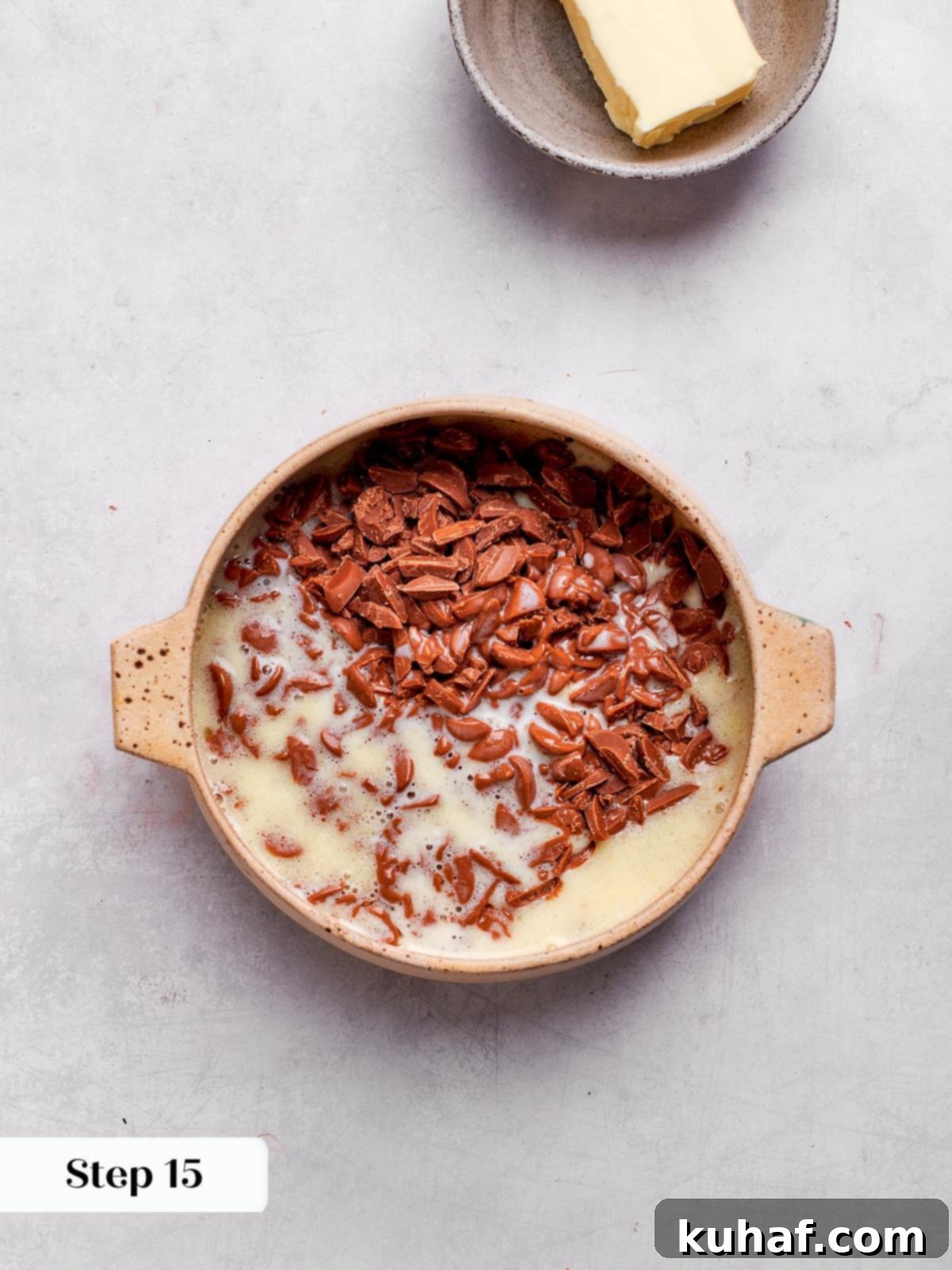
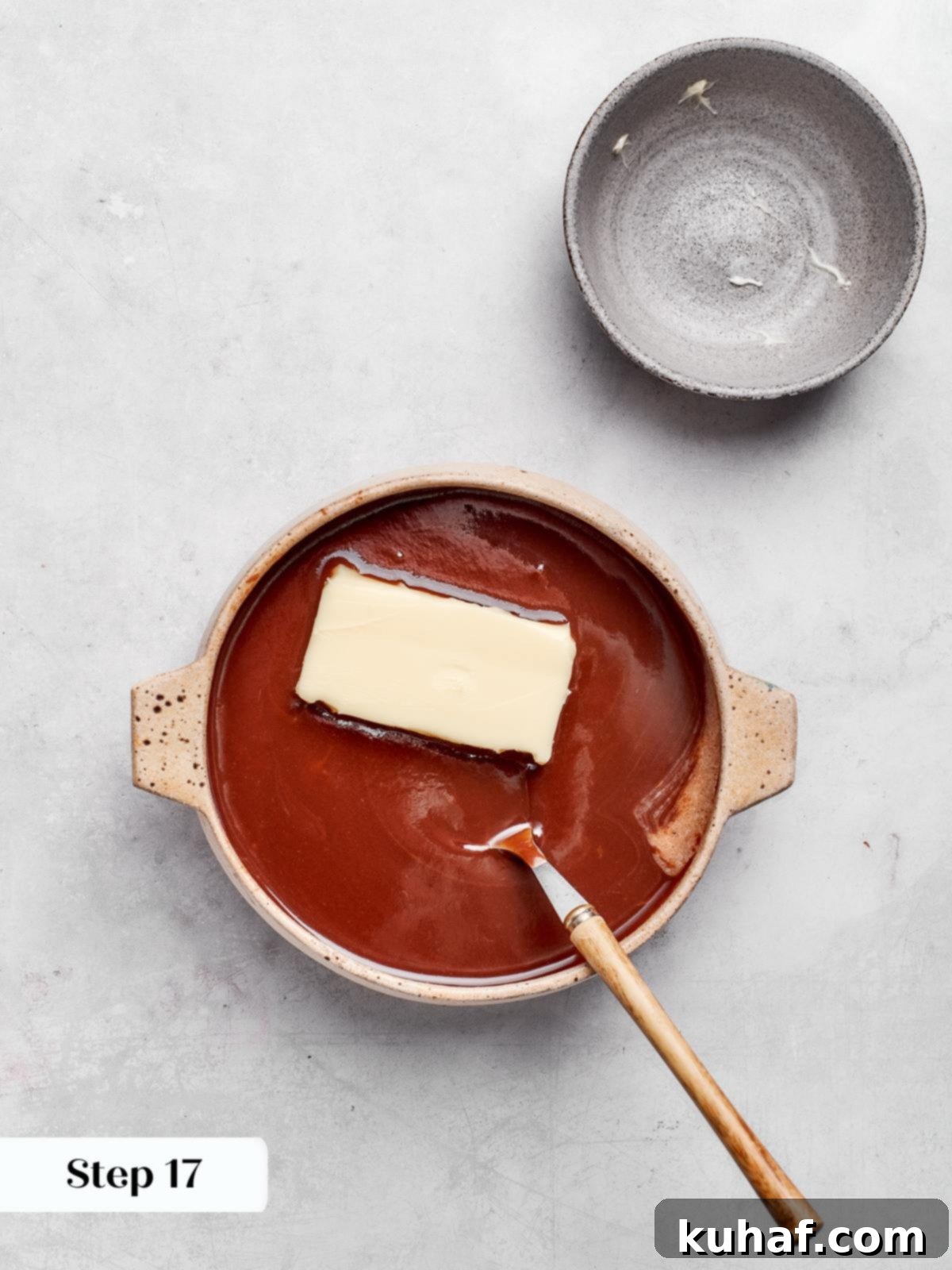
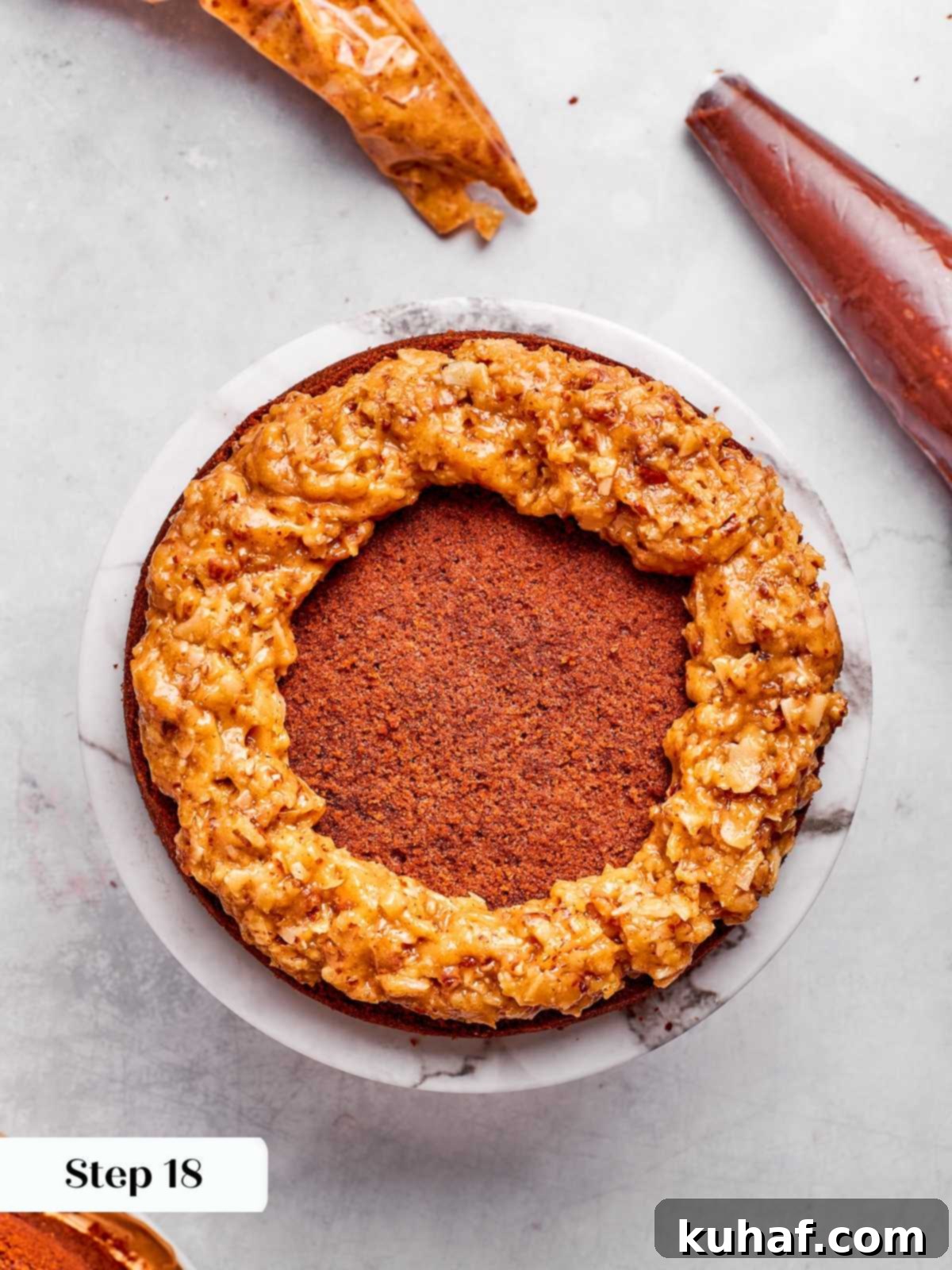
Step 14: Beat Until Thick. Transfer the mixture to a stand mixer and beat until cool and thick enough to spread (photo 13). Beating helps to cool and thicken the frosting.
Understanding emulsions is