Lemon Cake Recipe: Moist, Tender & Perfectly Balanced Citrus Flavor
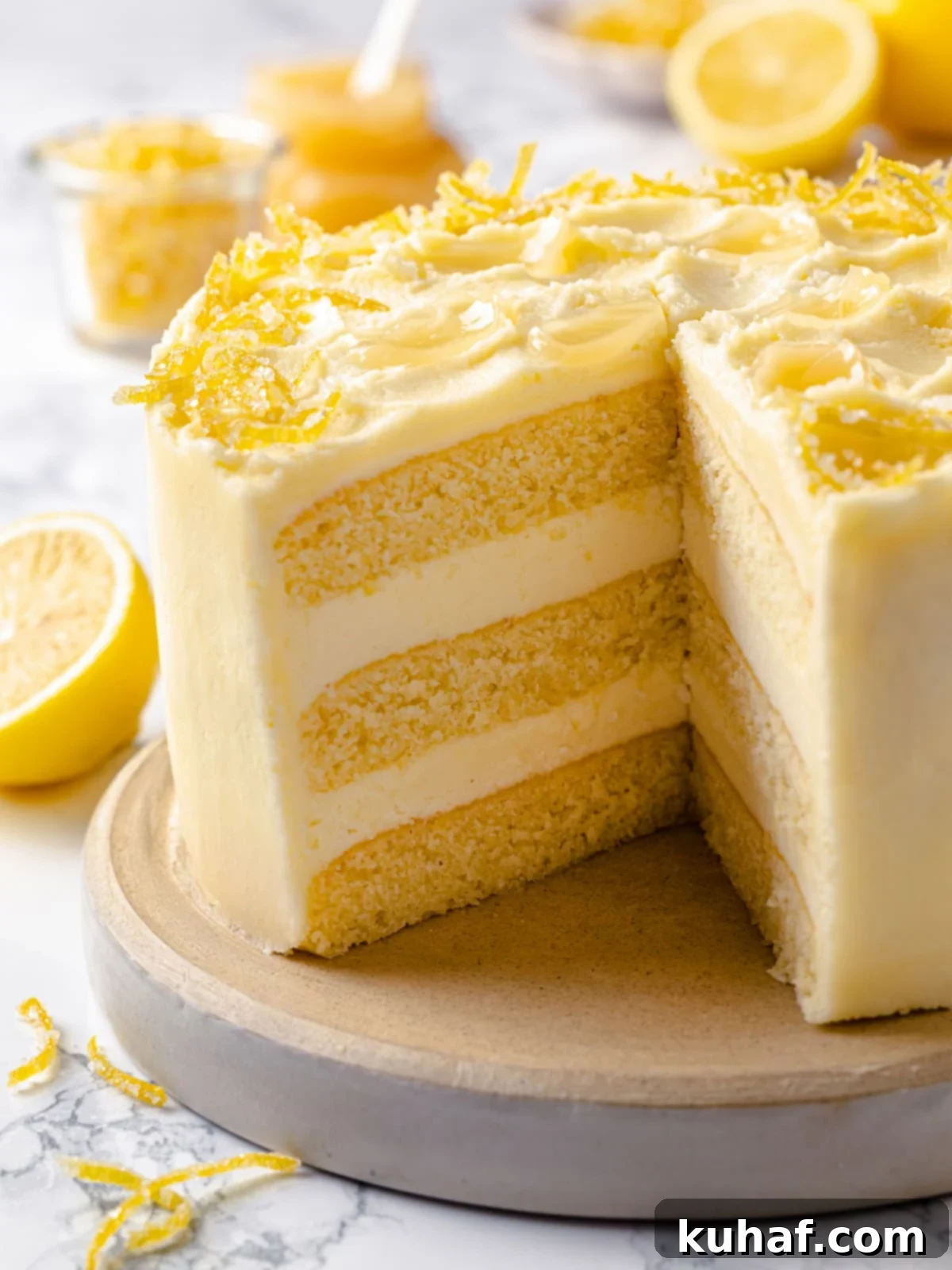
This Lemon Cake Recipe combines a soft, flavorful lemon cake with a silky lemon buttercream, elevated by the inclusion of real lemon curd. It bakes relatively quickly, offers a bakery-quality taste, and avoids the overly sharp or cloyingly sweet profile that can sometimes plague lemon cakes! This is truly the best lemon cake recipe.
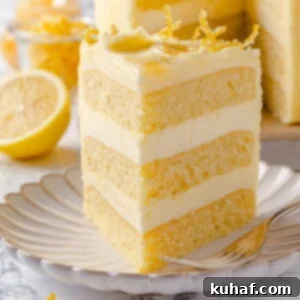
A Quick Look At The Recipe
Here’s a brief overview of the recipe. Jump to the recipe for the full details.
Jump to Recipe
Prep Time
35 minutes
Cook Time
15 minutes
Total Time
50 minutes
Servings
16 servings
Difficulty
Intermediate (approachable with clear steps).
Calories *
543 kcal per serving
Technique
Creaming method for the cake; Swiss meringue buttercream finished with lemon curd.
Flavor Profile
Bright lemon, lightly tart, balanced sweetness, ultra-tender crumb.
* Based on nutrition panel
Summarize & Save this content on
google ai
perplexity
grok
I loved the tip about rubbing the lemon zest into the sugar! It made the cake so fragrant before it even went into the oven. The buttercream was shockingly light for how lemony it was, and your timing cues for the meringue saved me from overcooking the whites!⭐⭐⭐⭐⭐
Lauren
Why This Recipe Works
This lemon cake recipe stands out from the rest, delivering a bright, balanced lemon flavor, an exceptionally tender crumb, and a not-too-sweet frosting. It’s incredibly versatile, making it perfect for layer cakes, sheet cakes, or even cupcakes. But what exactly makes this lemon cake so special?
- Bright but balanced lemon flavor. Lemon zest perfumes the sugar, releasing aromatic oils that infuse the entire cake batter. Fresh lemon juice and buttermilk add a touch of acidity without any harshness. The result? A clean, refreshing lemon flavor that shines through in every bite. This recipe highlights the importance of using quality ingredients to achieve the best flavor.
- Exceptionally tender crumb. Cake flour is the secret to a soft, delicate texture. Combined with a lower baking temperature, the layers stay incredibly moist and tender. This ensures the cake melts in your mouth with every bite. We avoid using all-purpose flour to maintain this delicate crumb.
- Not-too-sweet frosting. The Swiss meringue buttercream is light and silky, perfectly balancing the tartness of the lemon. The addition of lemon curd amplifies the lemon flavor without compromising the frosting’s stability. This frosting is a game-changer.
- Professional flexibility. Whether you want to bake a stunning layer cake, a convenient sheet cake, or adorable cupcakes, this recipe adapts beautifully. Simply adjust the scaling to suit your needs and impress your friends and family with your baking skills.
Table of Contents
- Why This Recipe Works
- Ingredients & Substitutions
- Variations on the Best Lemon Cake
- Professional Tips
- How to Make Lemon Cake
- Professional Chef Tip
- Recipe FAQs
- Recommended Lemon Cake Recipes
- Lemon Cake Recipe
- Before You Go
This lemon cake is designed to have a pronounced lemon flavor without being too sharp or excessively sweet, which is the ideal balance for any lemon desserts. By rubbing the zest into the sugar, the citrus oils are evenly distributed throughout the batter. This softens the acidity and ensures a tender crumb. This is the same technique I use in my lemon olive oil cake, resulting in a bright but smooth lemon flavor.
The secret to the buttercream is the use of lemon curd instead of lemon juice. Using lemon curd replaces the straight juice so the frosting stays smooth and stable. Acid can break a meringue-based buttercream, but easy lemon curd delivers a bold lemon flavor while maintaining the buttercream’s structure. It’s a technique I also use in my lemon cupcakes. The final buttercream has the same light, balanced quality as the frosting on my American flag cake, supporting the cake’s flavor instead of overpowering it!
Baking a perfect lemon cake involves understanding the science behind each ingredient and technique. From the creaming method that incorporates air into the batter for a light texture, to the alternating addition of wet and dry ingredients to prevent gluten development, every step plays a crucial role in achieving the desired result. This lemon cake recipe provides clear, concise instructions that will guide you through each step, ensuring a moist, tender, and flavorful cake every time.
Ingredients & Substitutions
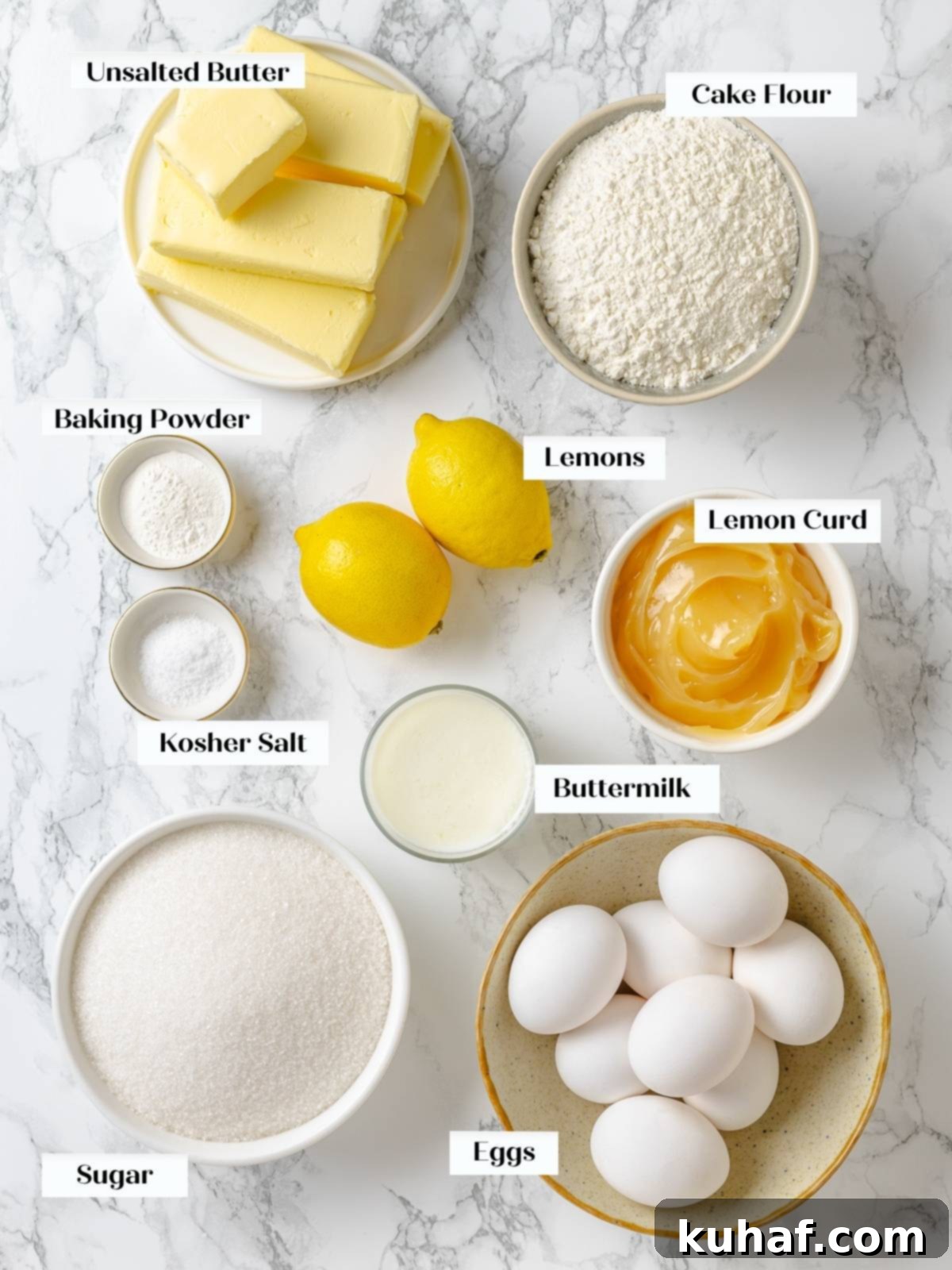
Choosing the right ingredients is crucial for the success of any baking recipe, and this lemon cake is no exception. Let’s take a closer look at each ingredient and explore possible substitutions to accommodate dietary restrictions or ingredient availability:
- Cake Flour: The key to a tender, delicate crumb. Cake flour has a lower protein content than all-purpose flour, resulting in a lighter texture. If you don’t have cake flour, you can substitute all-purpose flour. However, the texture will be slightly less delicate. For best results, use cake flour if possible.
- Unsalted Butter: Provides richness and structure to the cake. Room temperature butter is essential for proper creaming, which incorporates air into the batter and creates a light, fluffy texture. For dairy-free options, you can use a vegan butter substitute, ensuring it has a high-fat content similar to butter.
- Granulated Sugar + Fresh Lemon Zest: Rubbing the zest into the sugar releases aromatic lemon oils. This ensures the lemon flavor is evenly distributed throughout the cake, creating a bright, vibrant taste. Do not skip this step!
- Buttermilk: Adds moisture and a subtle tang to the cake. If you don’t have buttermilk, you can substitute it with milk and a teaspoon of lemon juice or vinegar. However, the flavor will be slightly different, so try to use buttermilk for the best result.
- Fresh Lemon Juice: Brightens the batter and adds essential acidity to balance the sweetness. Measure after juicing to ensure you have the correct amount, as acidity is crucial in this recipe.
- Egg Whites: Form the base of the Swiss meringue buttercream, providing a clean, light, and stable structure. If you have dietary restrictions, consider using aquafaba (the liquid from canned chickpeas) as a vegan substitute, although it may require some adjustments to the recipe.
- Lemon Curd: Adds concentrated lemon flavor to the buttercream without breaking the emulsion. Homemade or high-quality store-bought lemon curd both work well. If you can’t find lemon curd, consider making a simple lemon reduction to add to the buttercream.
See the recipe card below for full ingredients and quantities.
Variations on the Best Lemon Cake
The beauty of this lemon cake recipe lies in its versatility. It can easily be adapted to suit different tastes and preferences. Here are a few creative variations to try:
- Fill with lemon curd. Take your lemon obsession to the next level by piping a buttercream dam around each layer and filling the center with lemon curd. This adds an extra burst of tart, tangy flavor that perfectly complements the sweetness of the cake and frosting. This is a simple way to add another layer of lemony goodness.
- Make it vanilla-lemon. If you prefer a milder flavor profile, frost the cake with vanilla American buttercream or cream cheese frosting. Dust with confectioners’ sugar or finish with a simple vanilla or lemon glaze. This variation is perfect for those who want a more subtle lemon flavor.
- Turn it into cupcakes. For individual servings, scoop 54g of batter into each cupcake liner and bake for about 18 minutes at 325°F convection. For a mixed dessert table, this cake pairs well with simpler bakes like carrot cake cupcakes, especially when serving a crowd! Lemon cupcakes are a classic crowd-pleaser.
- Different pan sizes. Whether you want to bake a sheet cake or a loaf cake, this recipe adapts easily. For a ½-sheet cake (2.2 cm thick), bake for 15–18 minutes. For a greased loaf pan, bake at 325°F until set. Just adjust the baking time accordingly, and you’ll have a delicious lemon cake no matter the shape.
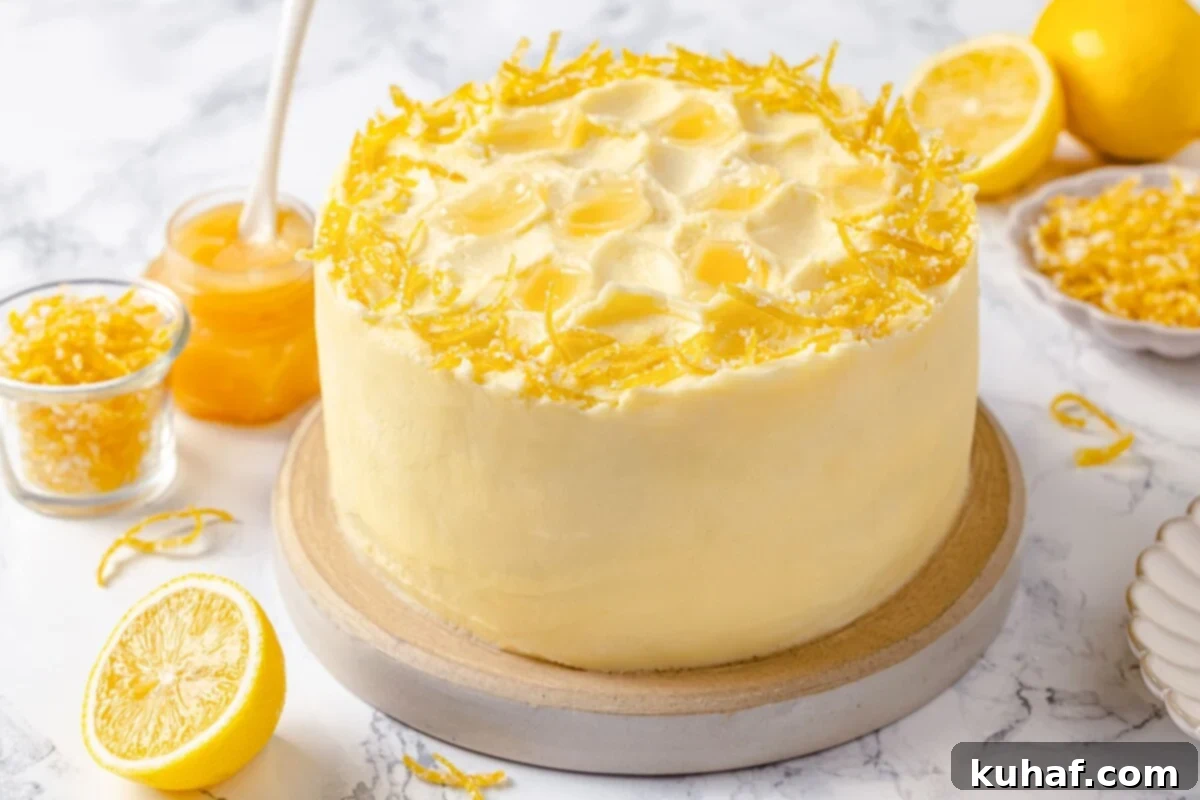
Beyond these variations, consider experimenting with different extracts or fruit purees to create unique flavor combinations. A touch of almond extract can complement the lemon beautifully, while adding a swirl of raspberry puree can add a touch of color and complementary sweetness. Feel free to tailor the recipe to your own preferences and get creative in the kitchen!
Professional Tips
Achieving a perfect lemon cake requires more than just following the recipe. Here are some professional tips to help you elevate your baking game:
- Cream properly. Creaming the butter and sugar until the mixture lightens and the sugar granules begin to separate is crucial for ensuring a light, tender crumb. This process incorporates air into the batter, which helps the cake rise and creates a delicate texture. Don’t rush this step; it’s the foundation of a great cake.
- Alternate carefully. Always begin and end with dry ingredients when alternating between wet and dry components. This prevents over-mixing, which can lead to a tough cake. Gently fold the ingredients together until just combined for the best results. Overmixing develops the gluten in the flour, resulting in a tougher cake.
- Watch the bake. The cake is done when the edges are barely colored and the top springs back lightly when pressed. Overbaking can dry out the cake, so keep a close eye on it and remove it from the oven as soon as it’s done. Use a cake tester or toothpick to check for doneness. It should come out clean or with a few moist crumbs attached.
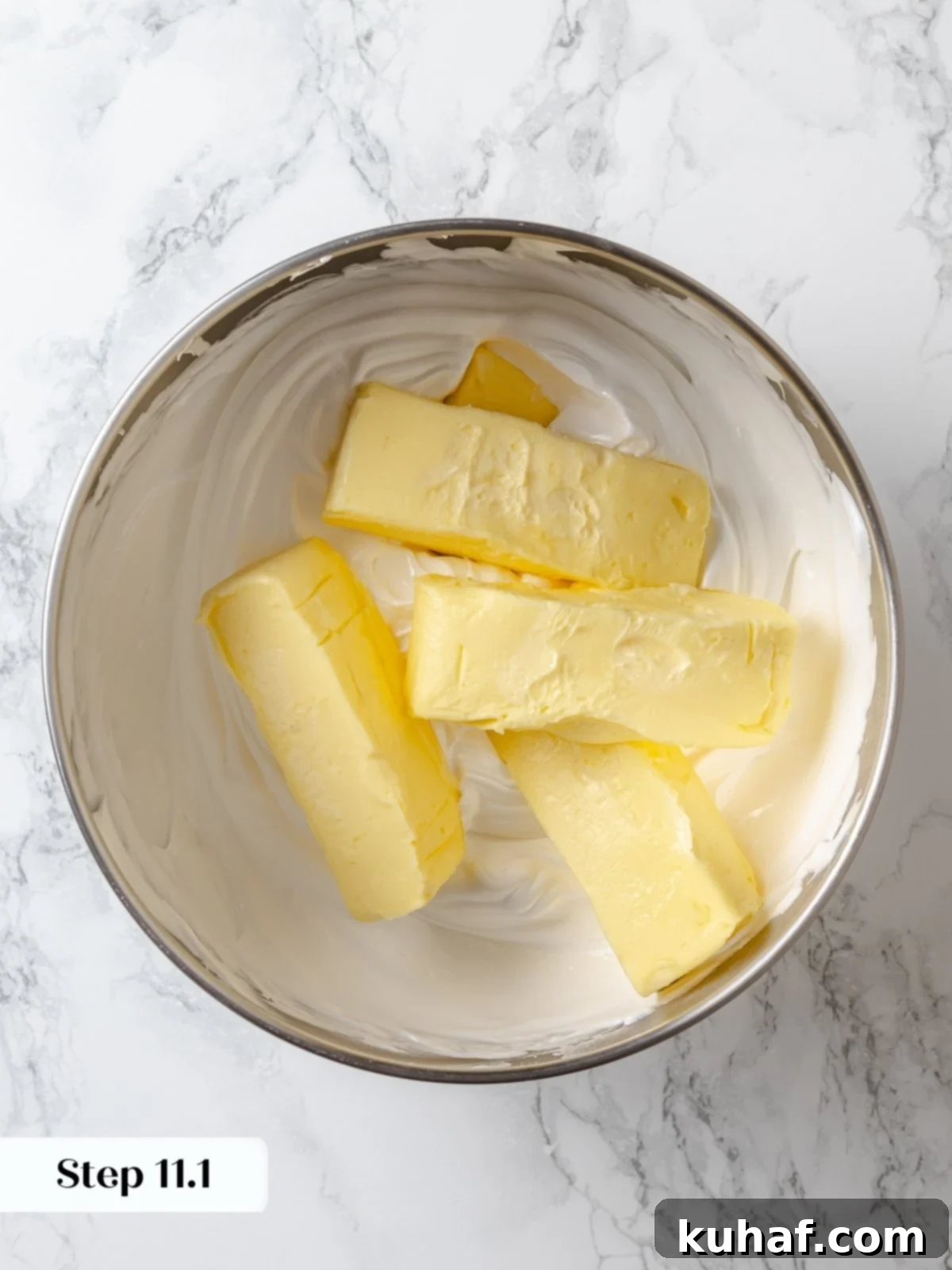
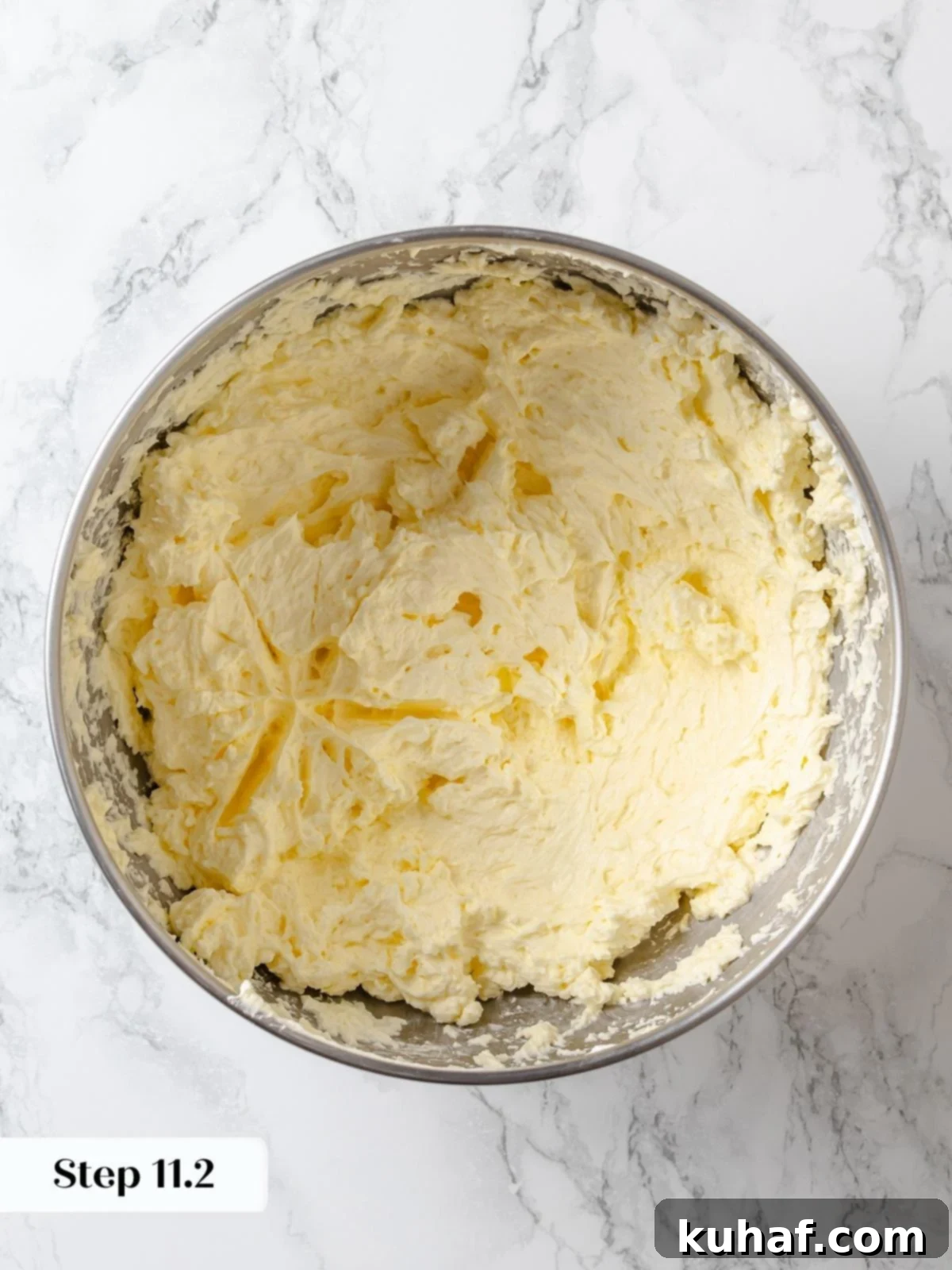
- Be patient with buttercream. Swiss meringue buttercream often looks broken or curdled before it comes together. Don’t panic! Just keep mixing, and it will eventually emulsify into a smooth, silky frosting. It is essential to use room temperature butter.
How to Make Lemon Cake
Follow these step-by-step instructions to create a soft, tender lemon cake with balanced citrus flavor and a smooth, stable lemon Swiss meringue buttercream. Full ingredient amounts are listed in the recipe card below.
Step 1: Prepare the pans and oven. Preheat the oven to 325°F convection or 350°F conventional. Spray cake pans with nonstick spray and line the bottoms with parchment paper.
I used three 8-inch cake pans for thinner layers; two pans will give thicker layers with a slightly longer bake time.
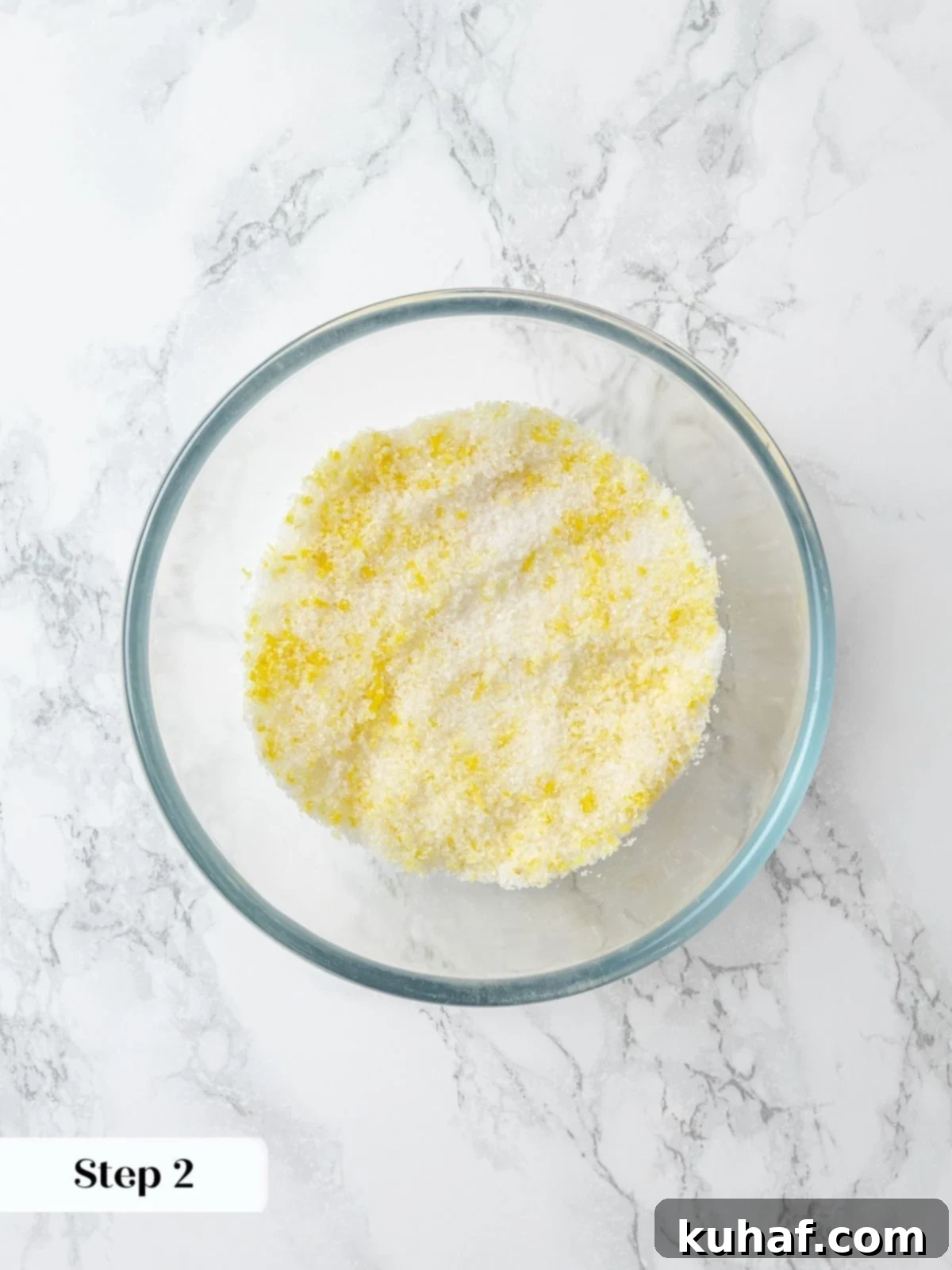
Step 2: Infuse the sugar with lemon zest. In a small bowl, combine the granulated sugar and lemon zest. Massage the zest into the sugar with your fingertips until the mixture becomes fragrant and slightly damp (photo 1).
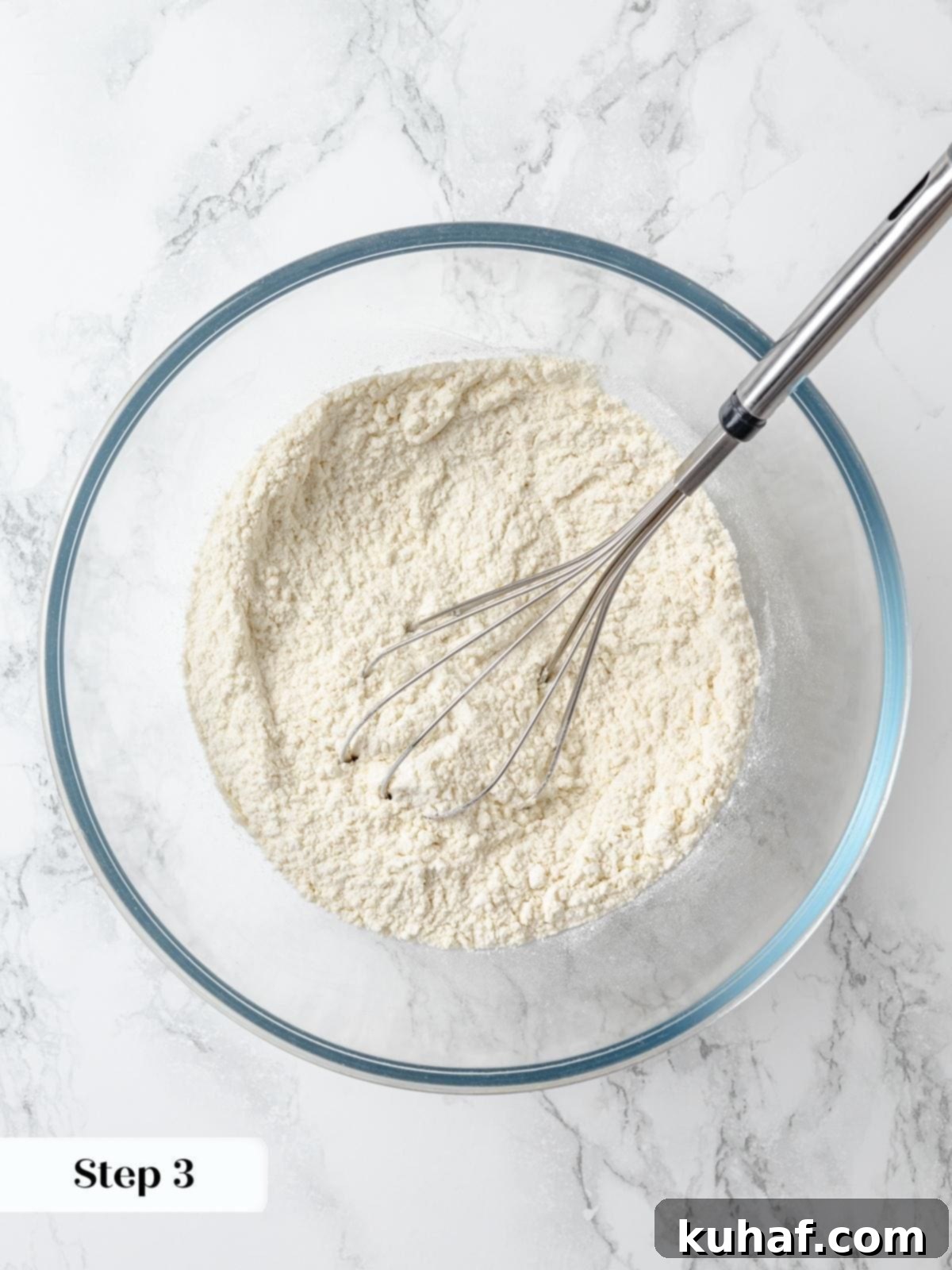
Step 3: Combine the dry ingredients. Sift together the cake flour, kosher salt, and baking powder onto parchment paper or into a large bowl. Set aside while you prepare the butter mixture (photo 2).
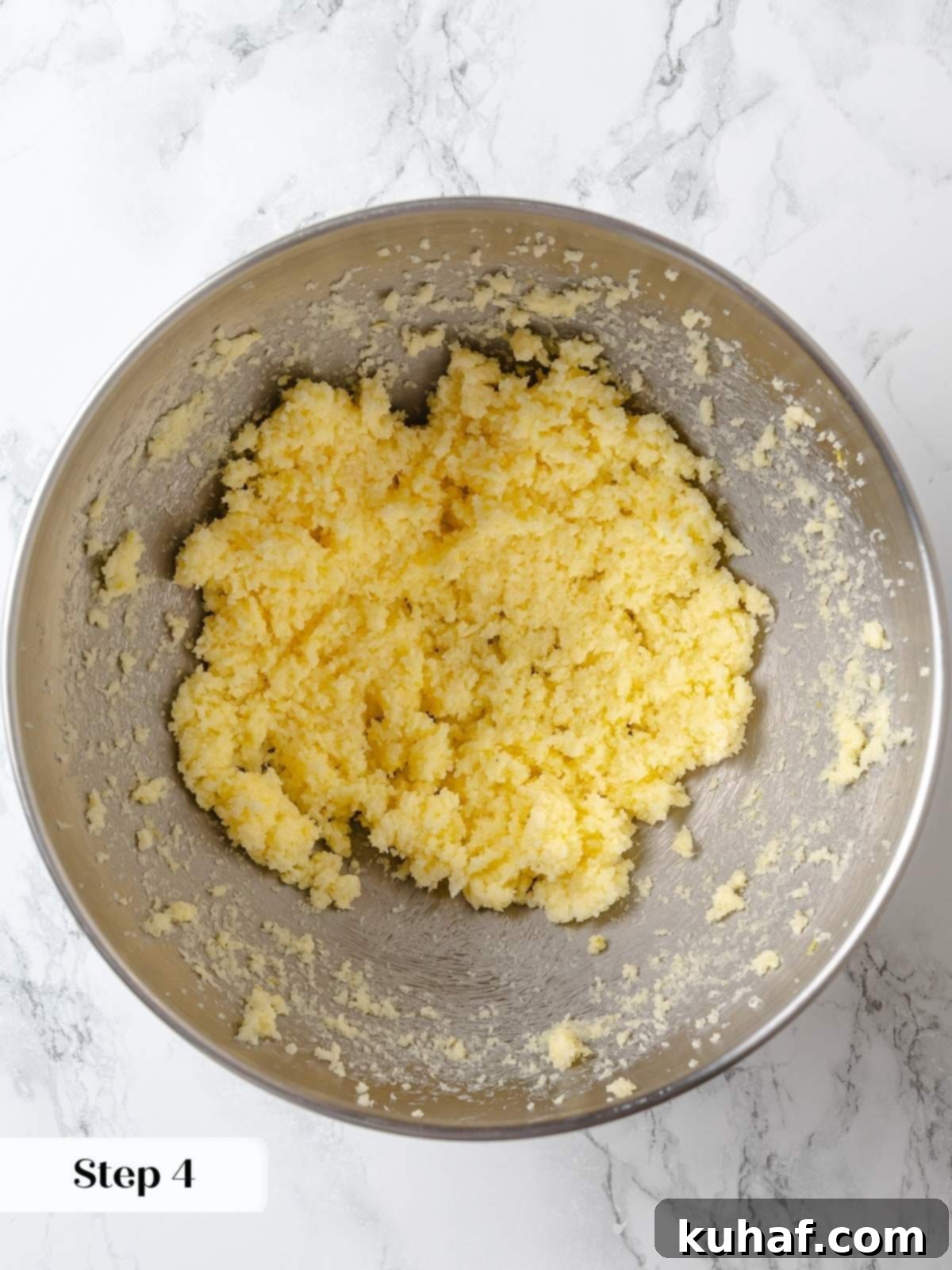
Step 4: Cream the butter and lemon sugar. In the bowl of a stand mixer fitted with the paddle attachment, cream the butter and lemon sugar on medium-low speed for 3–4 minutes, until the mixture lightens in color and the sugar granules begin to separate rather than look pasty (photo 3).
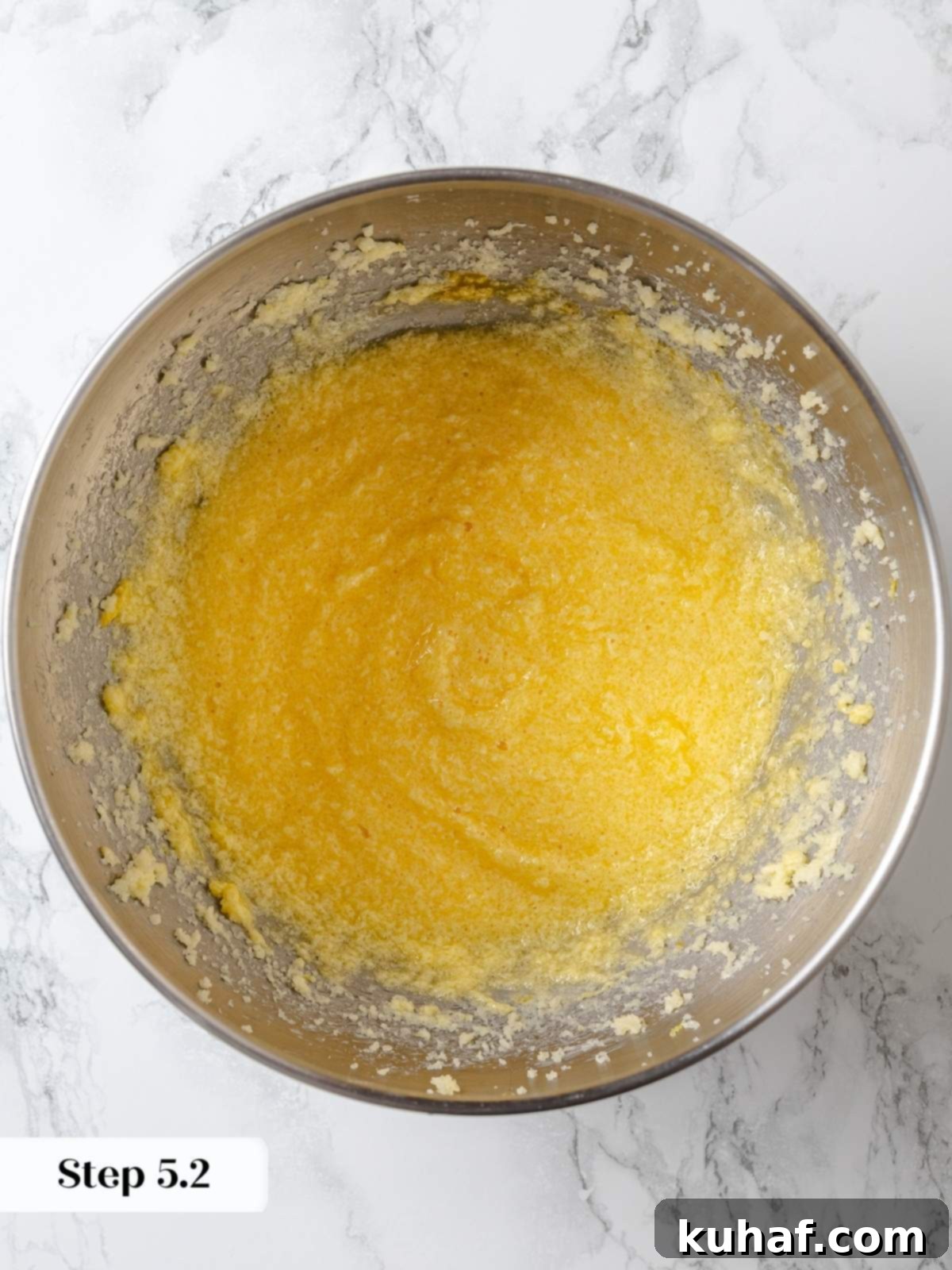
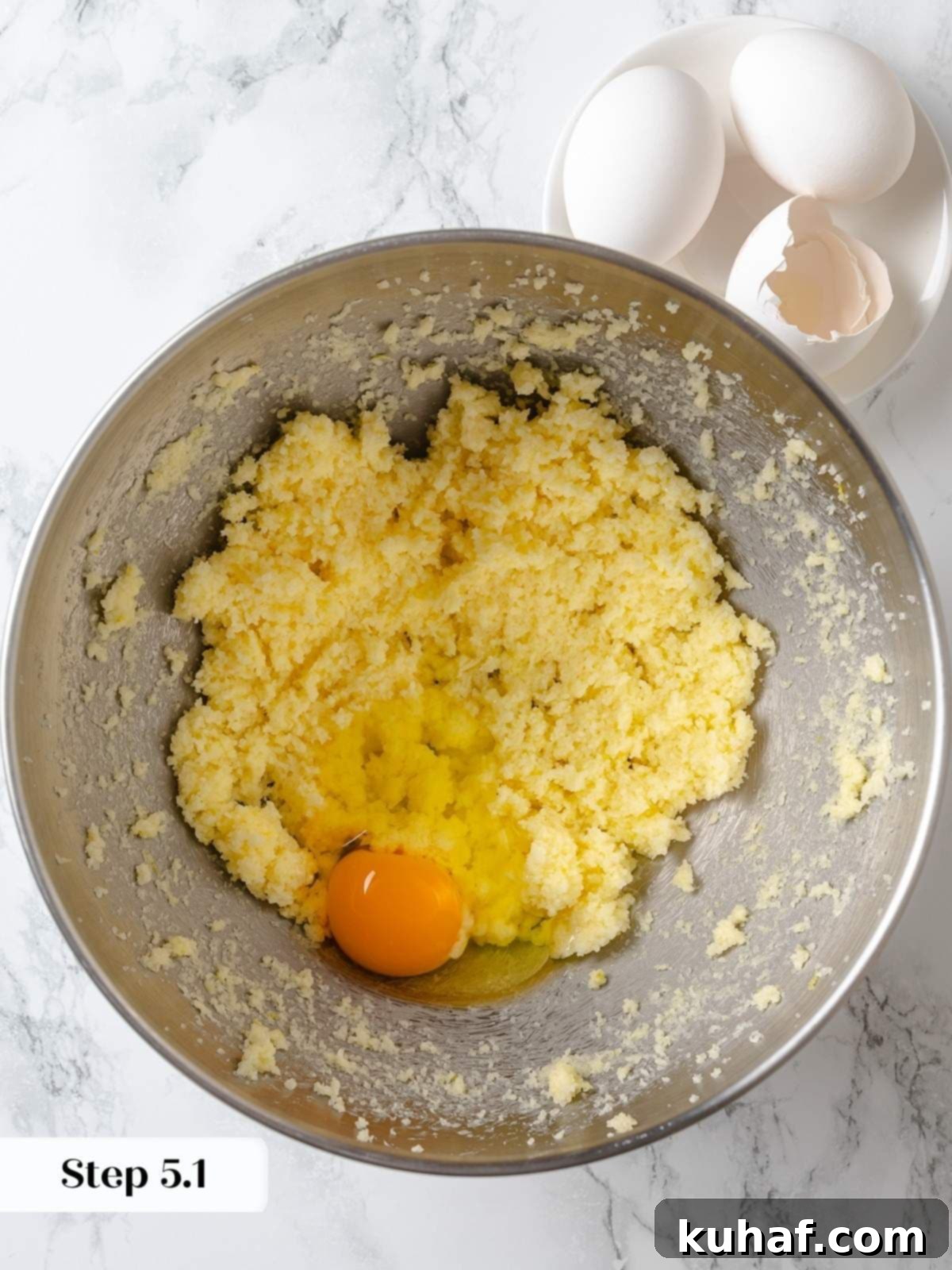
Step 5: Add the eggs gradually. Add the eggs one at a time, mixing on medium speed until fully incorporated before adding the next (photos 4 & 5).
Scrape down the bowl thoroughly after every other egg, paying special attention to the bottom where butter and sugar tend to hide.
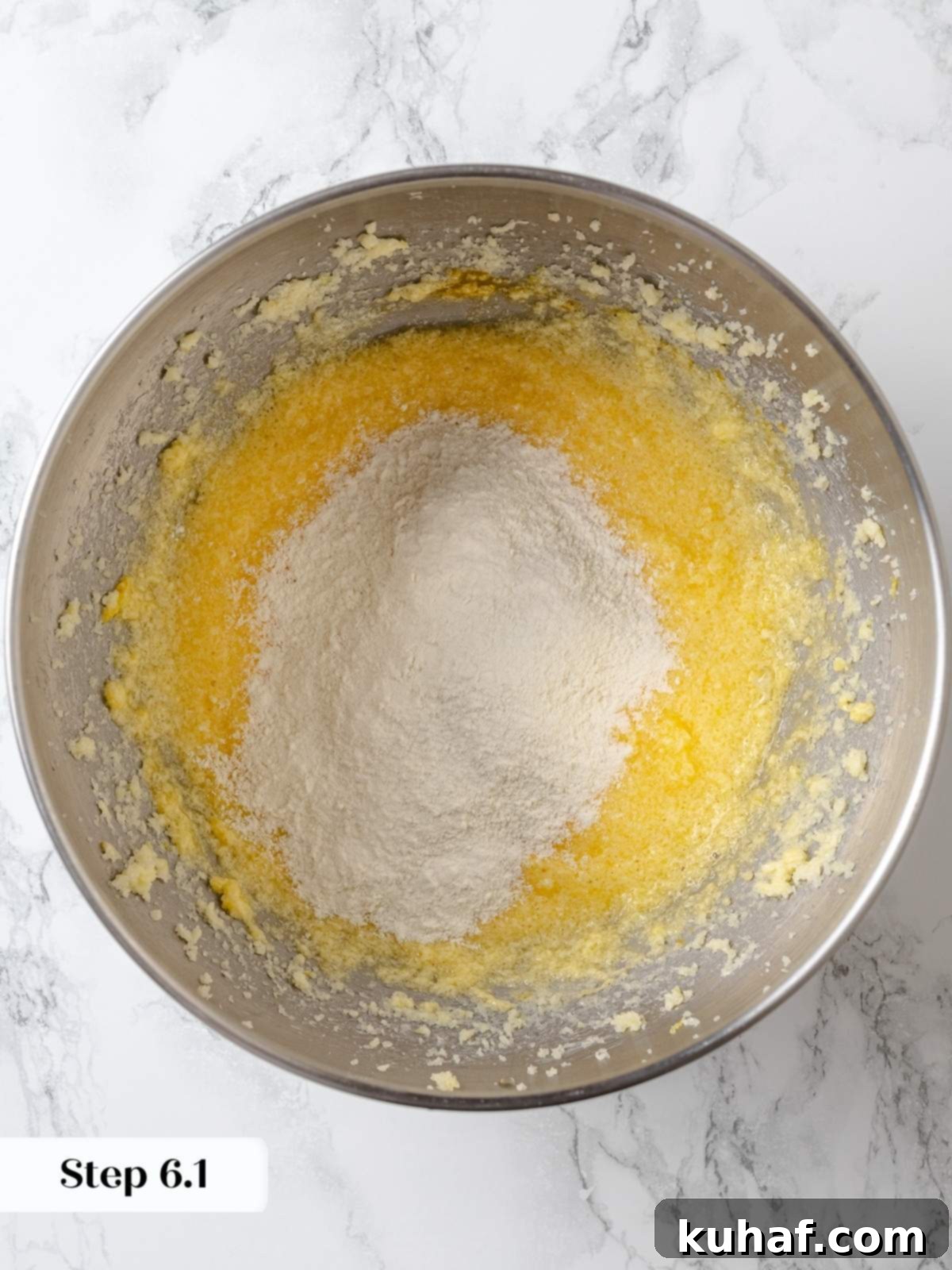
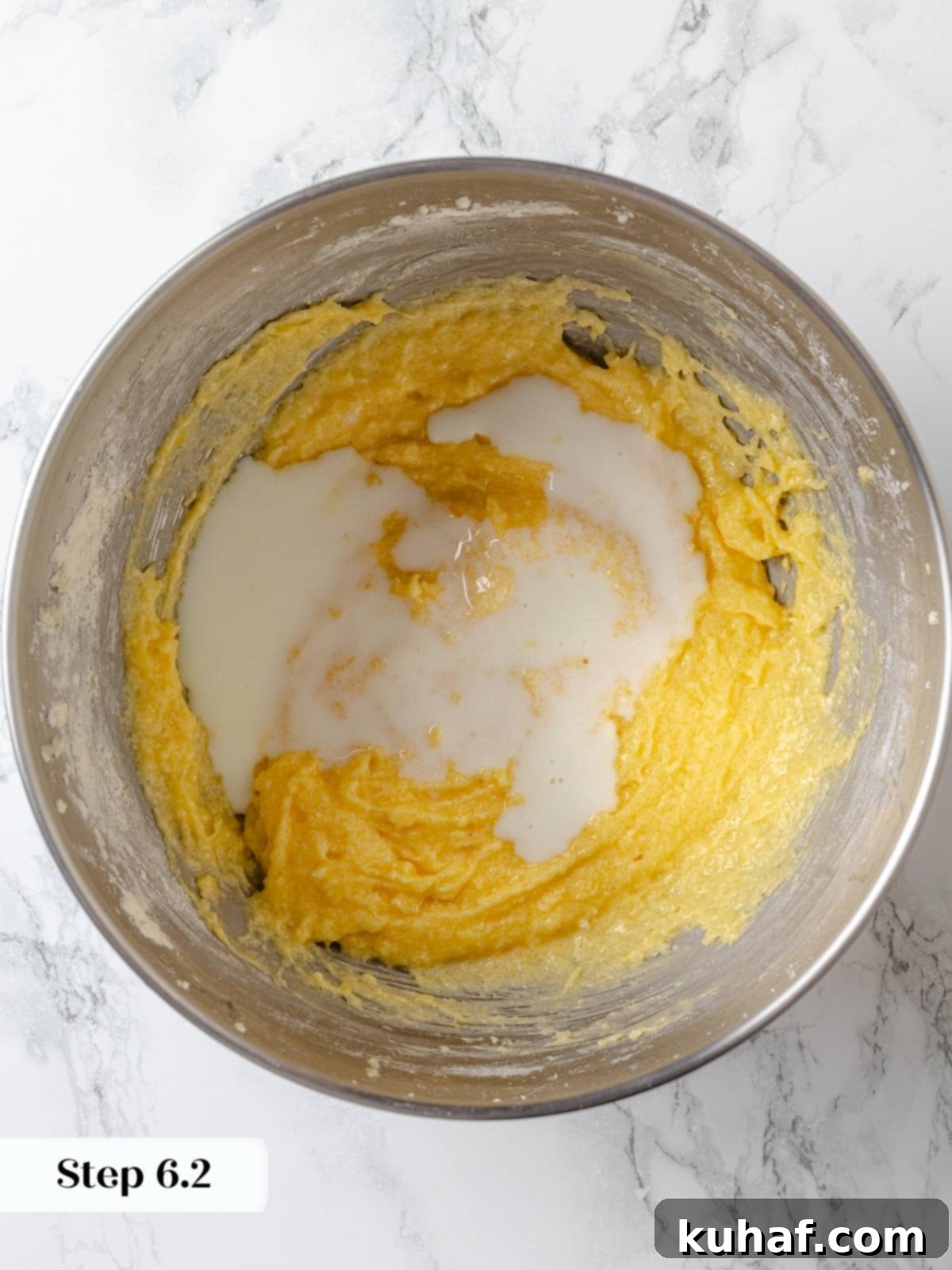
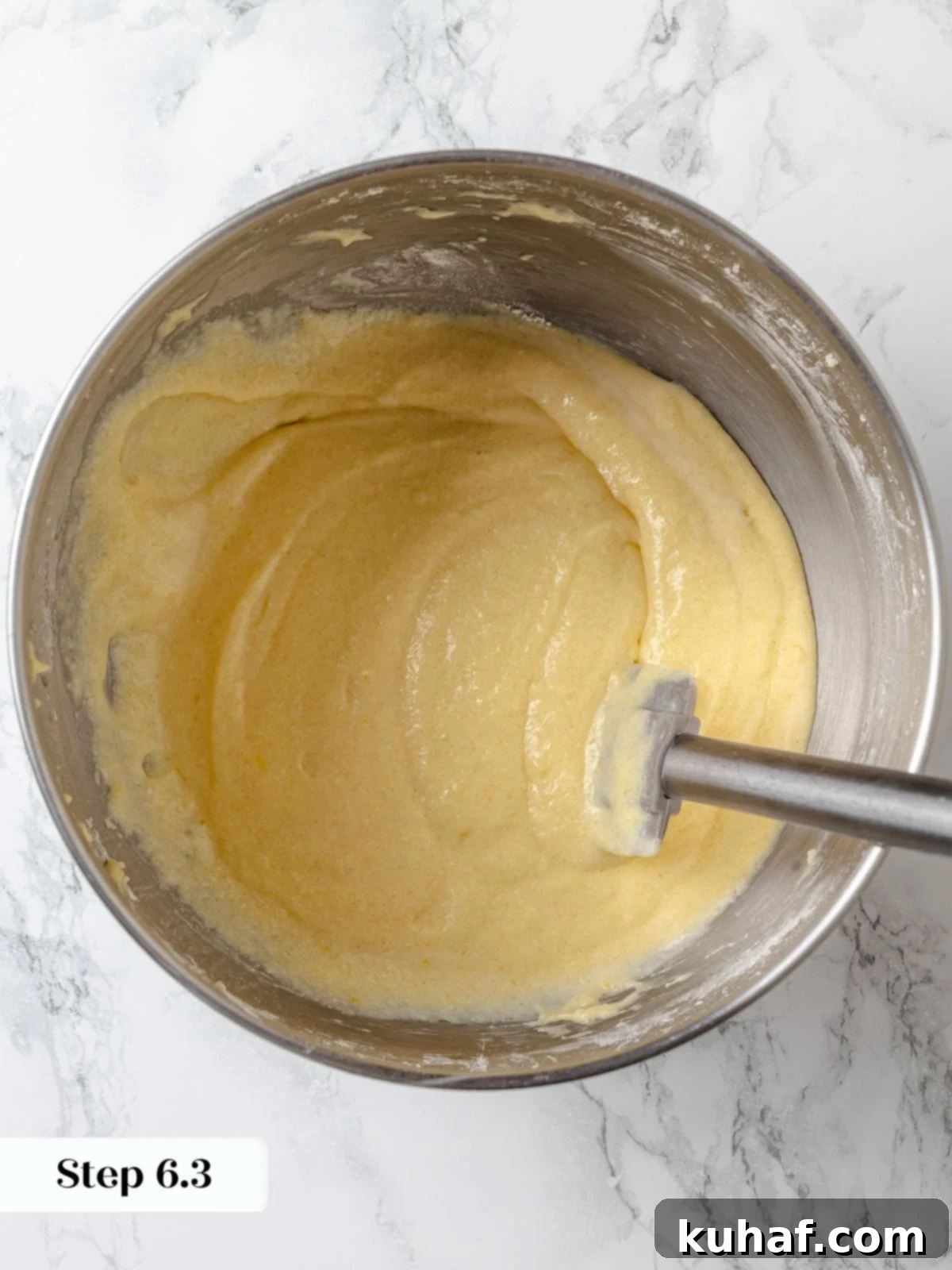
Step 6: Alternate wet and dry ingredients. Reduce the mixer speed to low. Add the flour mixture in three additions, alternating with the buttermilk mixed with lemon juice in two additions, beginning and ending with the dry ingredients (photos 6-8).
Stop the mixer before the last streaks disappear and finish folding gently with a spatula to avoid overmixing.
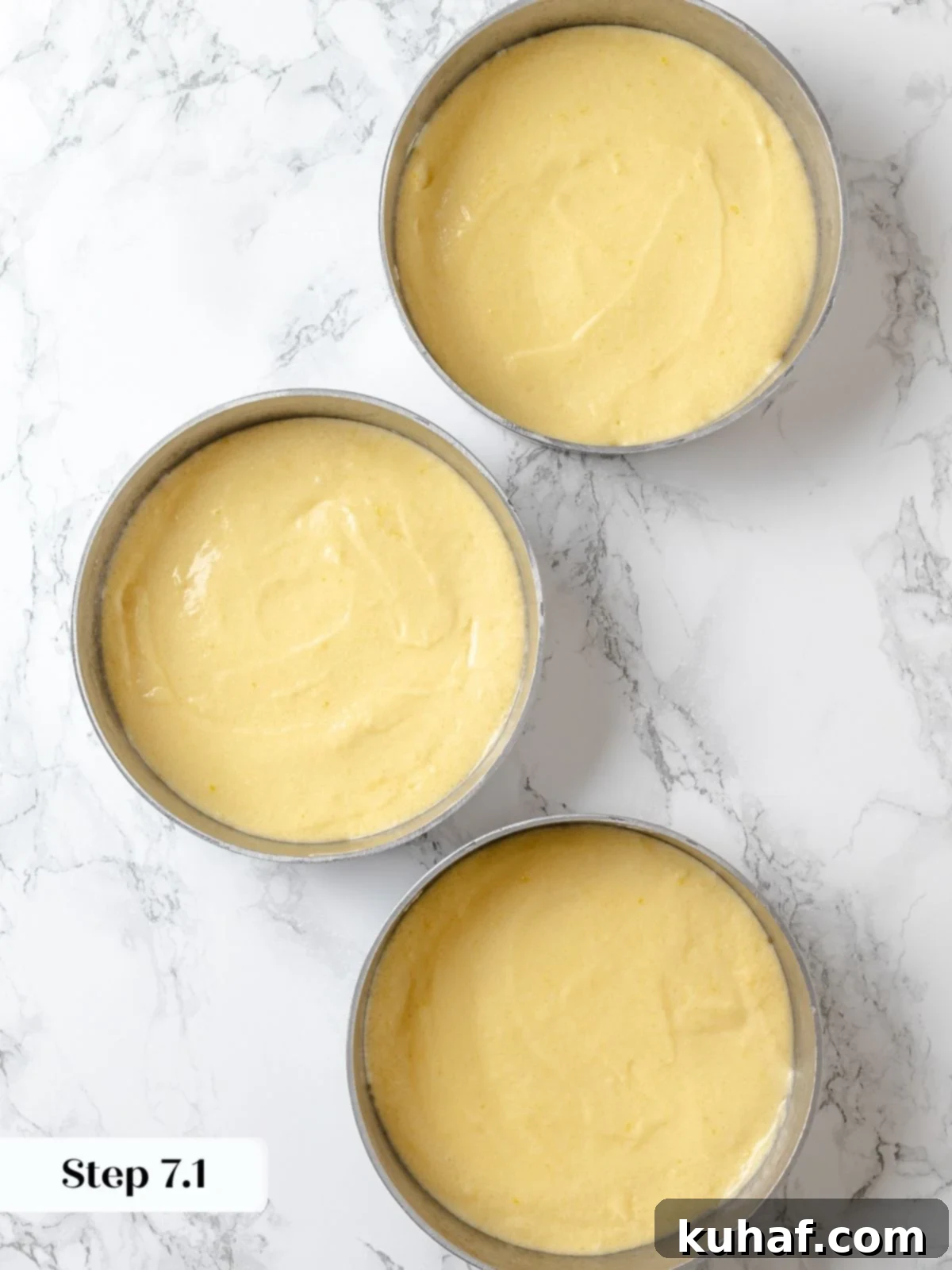
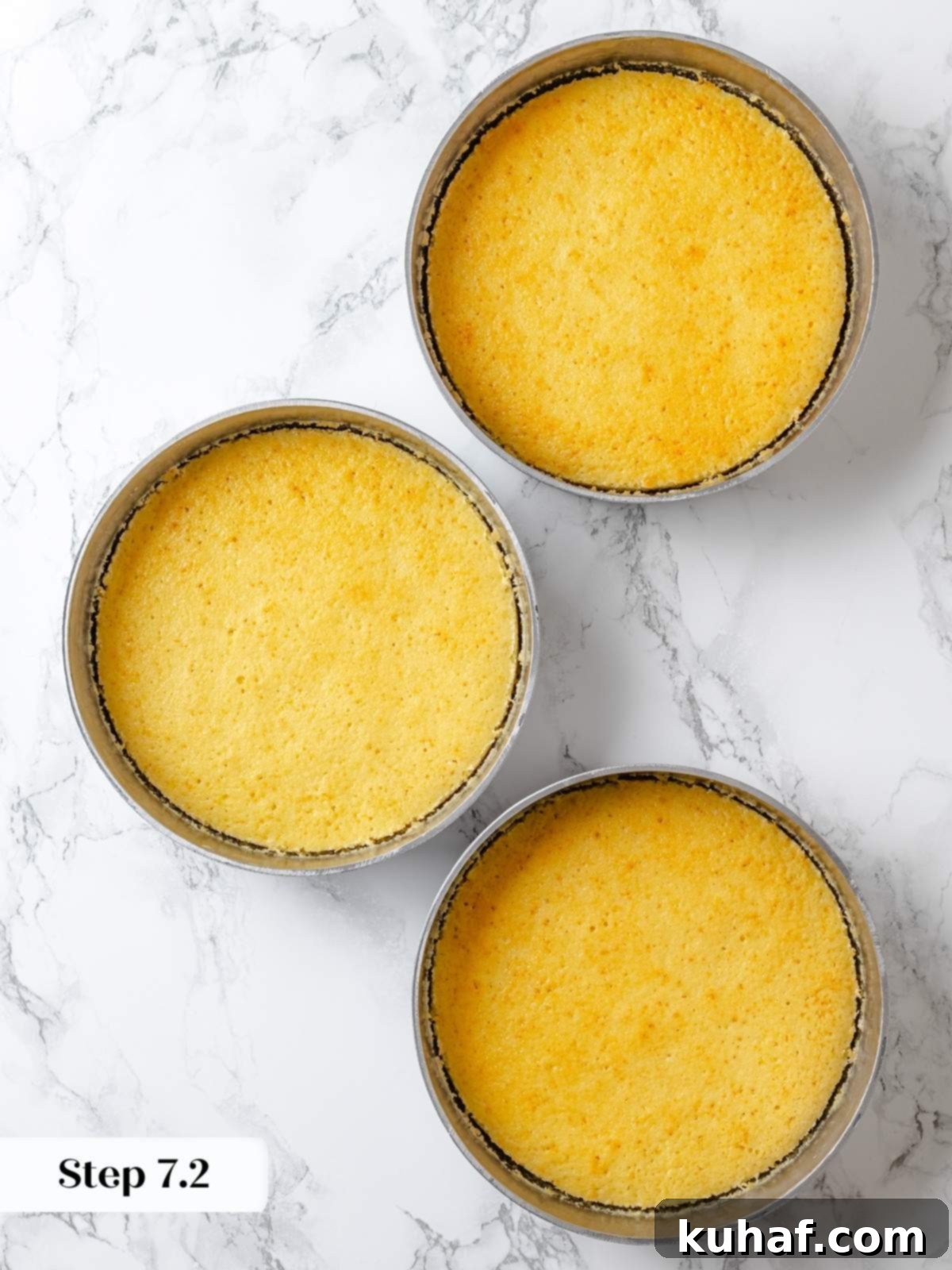
Step 7: Divide and bake. Divide the lemon cake batter evenly between the prepared pans (about 380g per pan for three 8-inch layers) and smooth the tops. Bake for 15–18 minutes, until the edges are just lightly golden and the center springs back when gently pressed. Transfer the pans to a wire rack to cool slightly before turning out (photos 9 & 10).
How to Make Lemon Swiss Meringue Buttercream
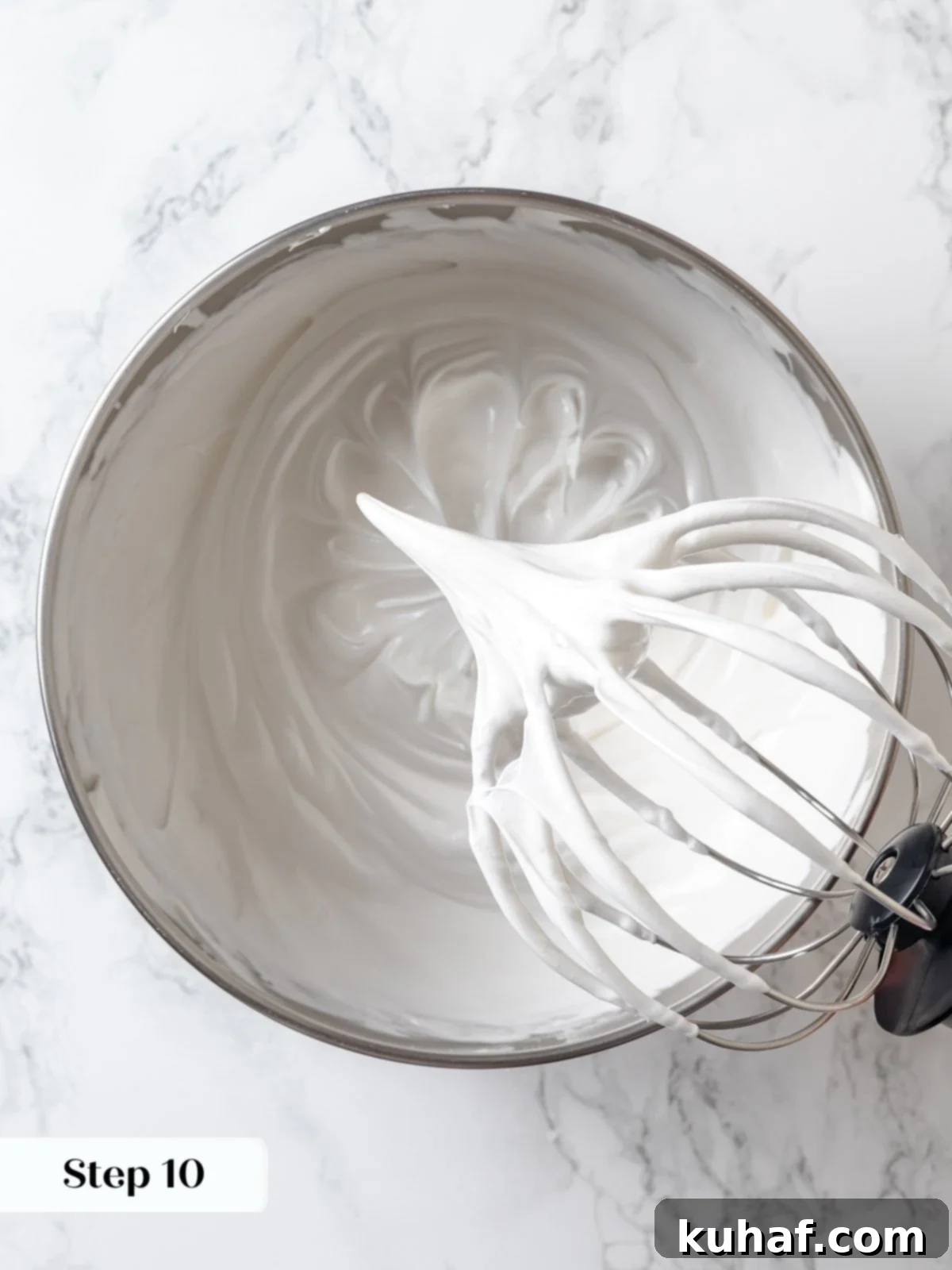
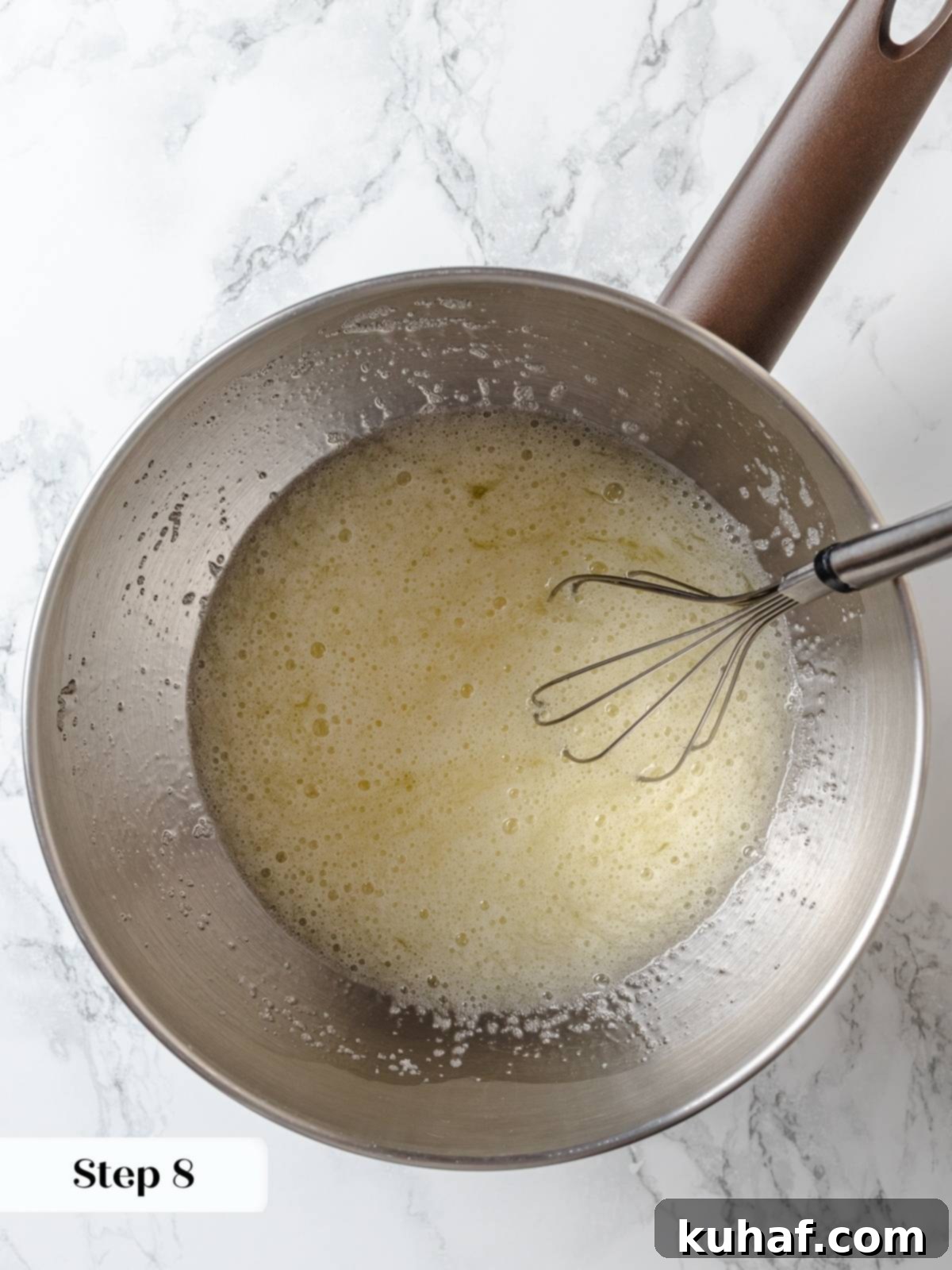
Step 8: Heat the egg whites and sugar. Whisk the egg whites, granulated sugar, and kosher salt together in the bowl of a stand mixer. Set the bowl over a saucepan of gently simmering water, making sure the water does not touch the bowl (photo 11).
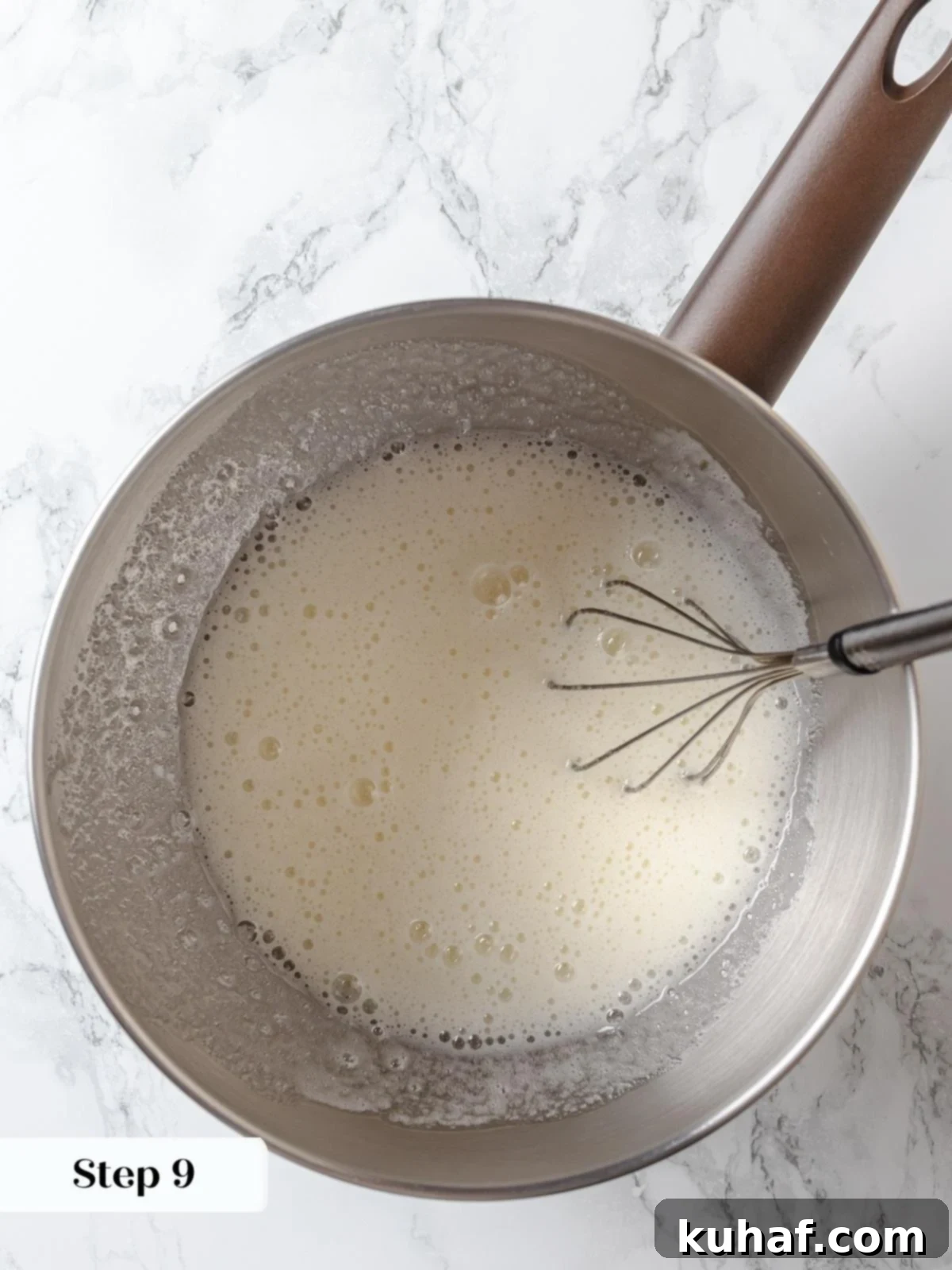
Step 9: Cook to dissolve the sugar. Whisk constantly until the mixture reaches 120–130°F and the sugar is fully dissolved. The mixture should feel warm to the touch and look slightly foamy and lighter in texture (photo 12).